

Discover why the Bible is reliable through historical evidence, fulfilled prophecy, theologians’ insights, and its life-changing power. Trust God’s eternal Word today.
The Foundation of Our Faith — Why the Reliability of the Bible Matters
The question of whether the Bible is reliable is one of the most important questions a believer or seeker can face. The entire Christian faith hinges upon the trustworthiness of the Scriptures, for as the Apostle Paul declared, “All scripture is given by inspiration of God, and is profitable for doctrine, for reproof, for correction, for instruction in righteousness” (2 Timothy 3:16, KJV). If the Bible is not reliable, then the foundation of Christian belief — the life, death, resurrection, and promises of Jesus Christ — would crumble like a house built upon sand.
1. The Bible’s Unique Historical and Divine Claims
The Bible stands apart from any other religious or historical document in its claims. It is not merely a book of human wisdom, but God’s revealed Word to mankind. It claims divine inspiration, asserting that “holy men of God spake as they were moved by the Holy Ghost” (2 Peter 1:21). The Bible records history, prophecy, moral law, and personal guidance in a way that has shaped civilizations and transformed individual lives across millennia.
2. Manuscript Evidence and Textual Reliability
One practical way to test the Bible’s reliability is through its manuscript evidence. Scholars agree that the Bible is the most well-documented ancient book in history. There are thousands of manuscripts and fragments, some dating back to within decades of the original writings, preserved with astonishing accuracy. Compared to other ancient texts like Homer’s Iliad or Caesar’s writings, the Bible has far superior manuscript support.
For example, the New Testament has over 5,800 Greek manuscripts, plus thousands more in Latin and other ancient languages. Textual critics have painstakingly compared these manuscripts, confirming the reliability of the Bible’s text. The minor variations that exist do not affect any essential doctrine. This overwhelming manuscript evidence is a strong foundation for trusting the Bible as a faithful record of God’s revelation.
3. Archaeological Confirmation
Another practical reason to trust the Bible lies in archaeology. Over the past century, archaeological discoveries have repeatedly confirmed the Bible’s historical accounts. Ancient cities mentioned in Scripture such as Jericho, Nineveh, and Babylon have been uncovered, along with inscriptions and artifacts that align with biblical narratives. For example, the Dead Sea Scrolls discovered in 1947 included parts of the Old Testament nearly 1,000 years older than the previously known oldest copies, confirming the text’s remarkable preservation.
Though archaeology cannot prove spiritual truths, it verifies that the Bible’s historical framework is reliable and that its authors wrote about real places and events.
4. Fulfilled Prophecies — A Sign of Divine Inspiration
One of the most powerful indicators of the Bible’s reliability is fulfilled prophecy. The Bible contains hundreds of prophecies that have come true with astounding accuracy. For example, the Old Testament foretold the coming of the Messiah in great detail, including His birth in Bethlehem (Micah 5:2), His suffering and death (Isaiah 53), and His resurrection (Psalm 16:10). Jesus’ life and ministry fulfilled these prophecies perfectly.
Moreover, biblical prophecies concerning the rise and fall of empires — Babylon, Persia, Greece, and Rome — were written centuries before these events occurred (Daniel 2, 7; Isaiah 13, 14). The fulfillment of prophecy is a compelling proof that the Bible is inspired by an omniscient God who controls history.
5. Transformative Power and Internal Consistency
A practical way to assess the Bible’s reliability is by its effect on the lives of individuals and societies. The Bible has transformed millions of lives, calling sinners to repentance and offering hope, peace, and eternal life. Countless testimonies bear witness to the power of Scripture to heal broken hearts, restore families, and guide ethical living.
Furthermore, the Bible displays remarkable internal consistency despite being written over 1,500 years by more than 40 authors from different backgrounds, cultures, and continents. The unity of message, especially concerning salvation through Jesus Christ, strongly suggests divine guidance in its composition.
Practical Applications for Believers
- Daily Trust: When doubts arise, remember that the Bible’s reliability is supported by historical evidence and fulfilled prophecy. Trusting God’s Word daily builds spiritual strength.
- Study and Meditation: Regular reading and meditation on Scripture deepen faith and understanding, helping believers discern truth from error.
- Sharing Faith: Understanding the Bible’s reliability equips believers to confidently share their faith and answer questions from skeptics.
Bible Verses to Remember:
- “Thy word is true from the beginning: and every one of thy righteous judgments endureth for ever.” (Psalm 119:160)
- “The testimony of the LORD is sure, making wise the simple.” (Psalm 19:7)
- “Sanctify them through thy truth: thy word is truth.” (John 17:17)
- “So then faith cometh by hearing, and hearing by the word of God.” (Romans 10:17)
Examining the Bible’s Claims and the Eyewitness Testimony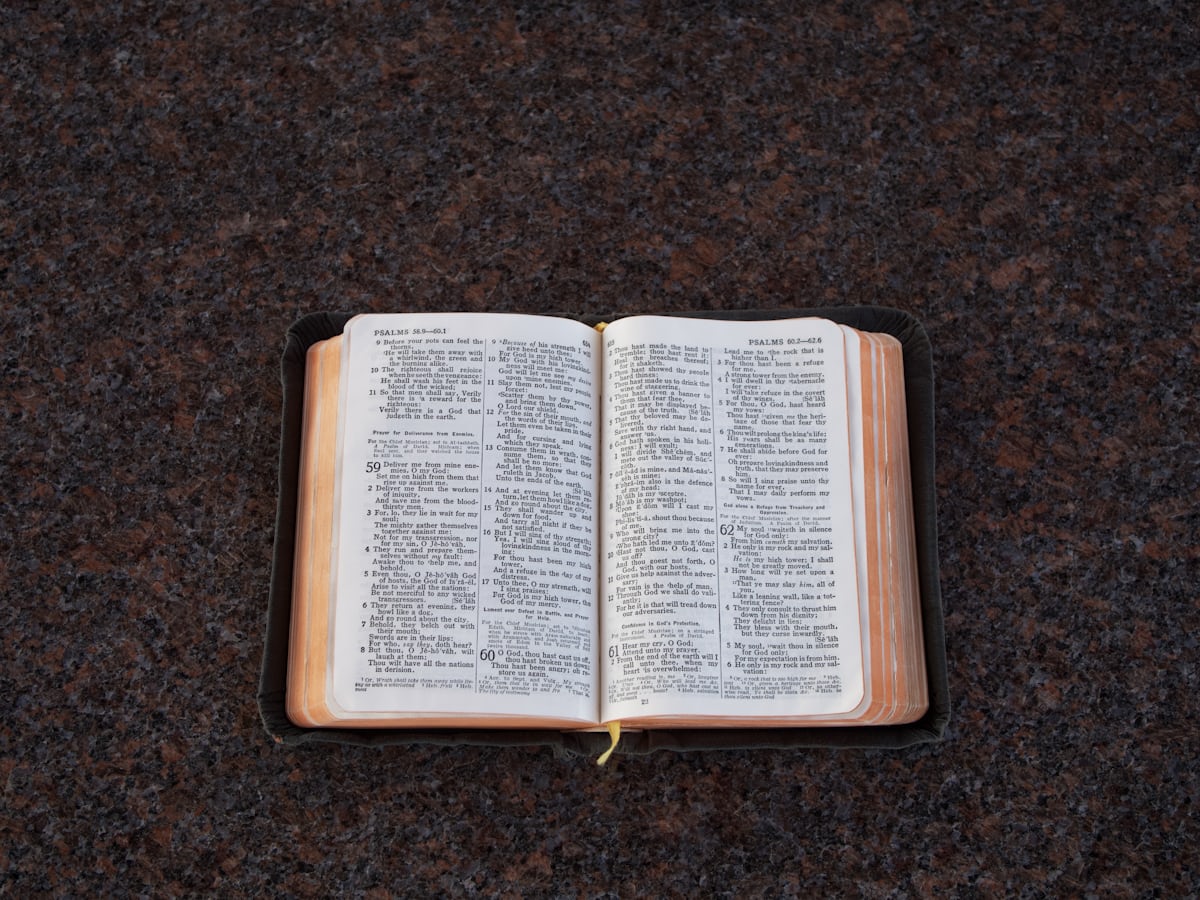
The question of the Bible’s reliability invites us to look closely not only at its textual and historical evidence but also at the internal claims the Bible makes about itself. To understand why the Bible can be trusted, one must explore what the Scriptures declare about their origin, authority, and validation through eyewitness testimony. Moreover, practical considerations rooted in firsthand accounts and the consistency of Scripture help believers ground their faith in reality.
1. The Bible’s Own Claim: Inspired and Infallible
Unlike any other religious text, the Bible boldly asserts that it is inspired by God, perfectly trustworthy, and incapable of error in its teachings. Paul writes in 2 Timothy 3:16, “All scripture is given by inspiration of God, and is profitable for doctrine, for reproof, for correction, for instruction in righteousness.” This verse does not merely suggest human wisdom; it affirms divine origin.
Furthermore, the Psalmist declares in Psalm 12:6, “The words of the LORD are pure words: as silver tried in a furnace of earth, purified seven times.” This metaphor of purity reflects the flawless nature of God’s Word, tested and proven beyond any human counterfeit.
From a practical perspective, this claim challenges readers to evaluate the Bible not as a mere book but as the spoken truth of God. This calls for faith but faith based on the trustworthy nature of Scripture.
2. Eyewitness Testimonies — The Foundation of the New Testament
One of the strongest practical reasons to trust the Bible comes from the eyewitness accounts recorded in the New Testament. The Gospels and Epistles were written by those who personally knew Jesus or were close to those who did. These men declared their accounts openly, even under threat of persecution and death.
The Apostle John famously declares in John 21:24, “This is the disciple which testifieth of these things, and wrote these things: and we know that his testimony is true.” Their commitment to truth, even at great personal cost, lends immense credibility to their writings.
Imagine a courtroom scenario where multiple eyewitnesses give consistent testimonies about a single event — this strengthens the case dramatically. Similarly, the Bible provides multiple perspectives, including Matthew, Mark, Luke, and John, whose testimonies align in core truths despite different emphases.
3. The Practical Impact of Consistent Eyewitnesses
The four Gospels present a consistent message about Jesus Christ’s life, death, resurrection, and teachings. While their accounts may differ in minor details — often a hallmark of honest eyewitness reporting — they unanimously affirm the resurrection, a historically unparalleled event.
Moreover, the Apostle Paul, who was once a fierce persecutor of Christians, became one of the most influential proponents of the faith after encountering the risen Christ on the road to Damascus (Acts 9). His letters, some written within two decades of Jesus’ crucifixion, reinforce the eyewitness narrative and address real-life issues faced by early Christians.
Practically, the reliability of these accounts encourages believers to place their trust not in myth or legend, but in real historical events experienced by actual people.
4. The Unity of the Bible Across Time and Authors
Written over a span of roughly 1,500 years by more than 40 authors from various backgrounds — kings, prophets, fishermen, scholars — the Bible remarkably presents a unified message of God’s plan for salvation.
Consider the impossibility of such consistency without divine oversight. The Old Testament prophets foretold the coming Messiah, while the New Testament writers testified of His fulfillment in Jesus Christ.
This unity also affirms the Bible’s reliability practically: the Scriptures provide clear guidance for faith and conduct that have stood the test of time and culture. For instance, the moral laws given in the Ten Commandments (Exodus 20) still resonate as principles for righteous living.
5. The Bible’s Challenge to Critics — A Practical Test
The Bible issues a challenge to critics who question its authority. Isaiah 41:22-24 invites skeptics to “bring forth your strong reasons” and “let them declare, and show us what shall happen.” No other religious text issues such a divine challenge backed by fulfilled prophecies and verifiable history.
In practice, believers can engage skeptics by pointing to fulfilled prophecy, archaeological evidence, and the personal transformation that the Bible catalyzes in lives. When tested, the Bible consistently proves itself reliable, offering answers that withstand scrutiny.
6. Practical Faith: Living by a Reliable Word
The ultimate test of the Bible’s reliability is its practical application in the lives of believers. The Book of James states, “But be ye doers of the word, and not hearers only” (James 1:22). The reliability of the Bible is confirmed by the fruit it produces in obedience, peace, love, and endurance.
Believers who live by the Word experience its transforming power, confirming its divine truth beyond theoretical arguments. This real-life application stands as the clearest practical evidence of the Bible’s reliability.
7. Testimonies of Changed Lives Through Scripture
History is filled with testimonies of individuals transformed by the Bible’s message. From Augustine, a wayward sinner who became a Church Father, to modern-day believers who have found hope in Christ, the Bible continues to prove itself as a living Word.
Practically, this means the Bible is not a dead letter but an active force in human lives, offering wisdom, comfort, and correction. The reliability of the Bible is thus experienced personally, reinforcing faith beyond intellectual assent.
Key Bible Verses for This Section:
- “For I delivered unto you first of all that which I also received, how that Christ died for our sins according to the scriptures;” (1 Corinthians 15:3)
- “Whereunto ye do well that ye take heed, as unto a light that shineth in a dark place, until the day dawn, and the day star arise in your hearts:” (2 Peter 1:19)
- “Thy word is a lamp unto my feet, and a light unto my path.” (Psalm 119:105)
- “That we henceforth be no more children, tossed to and fro, and carried about with every wind of doctrine,” (Ephesians 4:14)
Practical Applications for the Believer:
- Testimony Sharing: Learn the eyewitness accounts and confidently share them with others, showing that Christianity is grounded on real historical events.
- Engage with Doubts: Instead of ignoring doubts, approach them by studying the Bible’s claims and evidence, fostering a stronger, more resilient faith.
- Daily Application: Let the reliable Word of God guide your daily decisions, knowing it is both inspired and practical.
Historical and Archaeological Evidence Supporting the Bible’s Reliability

When we speak of the Bible’s reliability, it is not enough to rely solely on the text itself or on faith alone. A vital practical dimension comes from the overwhelming historical and archaeological evidence that substantiates the Bible’s claims. This body of evidence not only confirms biblical narratives but also validates the Bible’s consistency over millennia, making it one of the most historically reliable documents in human history.
1. The Bible’s Historical Context is Firmly Established
The Bible contains a wealth of historical detail about nations, kings, places, and events. Many skeptics once doubted the existence of key biblical figures or events, but modern archaeology and historical research have continually confirmed the accuracy of biblical records.
For example, the existence of ancient cities such as Jericho (Joshua 6), Nineveh (Jonah 1), and Babylon (Daniel 5) have been validated through excavations. The mention of kings like Nebuchadnezzar, Cyrus, and Herod the Great corresponds precisely with records from external sources like the Babylonian Chronicles and Roman historians.
The prophet Daniel lived during the Babylonian captivity, and his writings mention kings and events that have been corroborated by ancient historical records. This interlocking evidence from both biblical and secular sources offers a strong practical foundation for believing in the Bible’s reliability.
2. Archaeological Discoveries Validate Biblical Narratives
Countless archaeological discoveries have affirmed the Bible’s accuracy. Consider the Dead Sea Scrolls, discovered between 1947 and 1956. These ancient manuscripts contain portions of the Old Testament dating back over 2,000 years, closely matching the Masoretic Text used in modern Bibles. This confirms that the Old Testament was faithfully transmitted over centuries.
Another significant find is the Tel Dan Stele, an inscription mentioning the “House of David,” which offers the first non-biblical reference to King David, confirming his historical reality. The Pool of Bethesda and Pontius Pilate’s inscription found in Jerusalem further confirm locations and figures from the New Testament.
Practically, these findings show that the Bible is not a mythical book but a historically grounded record. For the believer, this strengthens faith and equips one to confidently defend the Scriptures against critics who claim the Bible is a collection of myths.
3. Manuscript Evidence: The Bible’s Textual Integrity
The New Testament stands as the most well-documented ancient text in history. There are over 5,800 Greek manuscripts of the New Testament, some dating back to within a century of the original writings. This volume of manuscript evidence dwarfs that of other ancient texts like Homer’s Iliad, which has fewer and much later manuscripts.
The consistency among these manuscripts, despite their number, affirms that the Bible we read today faithfully reflects the original writings. Minor variations do not affect core doctrines or historical truths. This level of textual preservation is practically unparalleled.
4. Prophecies Fulfilled as a Practical Test of Divine Inspiration
One of the Bible’s unique claims to reliability is its fulfillment of prophecy. The Bible contains hundreds of prophecies that have been fulfilled with remarkable precision. For example:
- Isaiah 53 vividly describes the suffering servant — Jesus Christ — centuries before His birth.
- Micah 5:2 foretells that the Messiah would be born in Bethlehem.
- Psalm 22 describes in detail the crucifixion of Christ long before the Romans used such a form of execution.
From a practical standpoint, fulfilled prophecy is an extraordinary proof of divine inspiration. No other religious text has such a comprehensive and verifiable prophetic record. Believers today can rely on prophecy as evidence that God has revealed His plan and that the Bible is His trustworthy Word.
5. The Bible’s Consistency Over Time
Despite being written over approximately 1,500 years by different authors in different cultures and languages, the Bible presents a unified message. This unity is remarkable given the complexity and length of the text.
Theologically, the Bible progresses from the fall of man in Genesis, through redemption in the New Testament, to eternal hope in Revelation. The consistent revelation of God’s nature, justice, mercy, and salvation provides practical assurance that the Bible is divinely guided.
6. Practical Application: Trusting God’s Word in Everyday Life
The evidence from history and archaeology isn’t merely academic; it has profound implications for everyday life. When believers understand the Bible’s reliability, they can:
- Anchor their faith in a solid foundation, not shifting sands of opinion or culture.
- Resist false teachings by comparing them with biblical truths grounded in historical fact.
- Gain confidence to witness and share the Gospel, knowing their message is based on truth.
James 1:22 instructs believers to be “doers of the word,” emphasizing practical obedience. The Bible’s reliability empowers believers to walk in obedience, trusting God’s promises as real and true.
7. Real-Life Testimony: Historical and Contemporary
Countless lives have been transformed by believing in a reliable Bible. History tells of individuals like William Tyndale, who risked his life translating the Bible to make its truths accessible, knowing its life-giving power. Today, believers experience transformation and hope from Scripture’s truths, demonstrating the Bible’s practical reliability across centuries.
8. Challenges and Responses
Skeptics raise objections about historical inconsistencies or lack of evidence. However, ongoing archaeological research continues to fill gaps, clarify historical contexts, and affirm biblical accuracy. Where questions arise, believers are encouraged to seek answers with humility and persistence.
Key Verses Supporting This Section:
- “For whatsoever things were written aforetime were written for our learning, that we through patience and comfort of the scriptures might have hope.” — Romans 15:4
- “Thy testimonies also are my delight and my counsellors.” — Psalm 119:24
- “Sanctify them through thy truth: thy word is truth.” — John 17:17
- “And ye shall know the truth, and the truth shall make you free.” — John 8:32
Practical Takeaways:
- Study biblical history alongside archaeological findings to strengthen faith.
- Use the Bible’s fulfilled prophecies as a powerful apologetic tool when sharing with others.
- Trust in the consistency and preservation of Scripture as God’s unfailing Word.
- Apply biblical truths in your daily walk, confident that your foundation is sure.
Internal Consistency, Moral Authority, and Transformational Power of the Bible
When considering the reliability of the Bible, one must not only examine external historical and archaeological evidence but also look deeply within the Scriptures themselves. The Bible’s internal consistency, its moral teachings, and its undeniable power to transform lives speak volumes about its divine origin and trustworthiness. This internal testimony is practical for believers as it forms the foundation of daily faith and living.
1. Remarkable Internal Consistency Over Time and Authors
The Bible was written over approximately 1,500 years by about 40 different authors, ranging from kings, fishermen, prophets, and priests to scholars. Despite this diversity of human authorship, the Bible presents a harmonious and unified message.
From Genesis to Revelation, the Bible’s core themes of sin, redemption, grace, and eternal hope remain consistent. There is no contradiction in its teachings about God’s character or His plan for mankind. Consider the words of Paul in 2 Timothy 3:16:
“All scripture is given by inspiration of God, and is profitable for doctrine, for reproof, for correction, for instruction in righteousness.”
This verse underscores that the entire Bible is inspired by God and useful for teaching and guiding believers. The fact that this consistency is maintained despite different languages (Hebrew, Aramaic, Greek), cultures, and centuries of composition is practically astonishing.
Practical Application: When believers read Scripture, they find a coherent and reliable guide for faith and life. This internal consistency equips them to trust the Bible as a dependable roadmap, helping to avoid confusion and error.
2. Moral Authority: The Bible’s Perfect Standard
The Bible is not merely a historical document or collection of stories — it is the ultimate moral authority for believers. Its commandments and teachings reveal God’s perfect standard for righteous living.
Psalm 119:105 declares:
“Thy word is a lamp unto my feet, and a light unto my path.”
This metaphor vividly portrays how the Bible illuminates the right way, giving direction in moral decisions, family life, relationships, and daily conduct.
Jesus summarized the Law and the Prophets into two great commandments: love God and love your neighbor (Matthew 22:37-40). This profound teaching guides ethical behavior and community life. Furthermore, the Sermon on the Mount (Matthew 5-7) sets forth principles that challenge believers to live holy lives distinct from worldly ways.
Practical Example: The Bible’s moral teachings foster integrity, humility, forgiveness, and compassion in the believer’s life. These virtues build strong families and communities, directly affecting society positively.
3. Transformational Power: Changing Lives Across Centuries
One of the most powerful proofs of the Bible’s reliability is its consistent ability to transform individuals and societies. Countless testimonies from history and today confirm this reality.
Paul testifies in Romans 12:2:
“And be not conformed to this world: but be ye transformed by the renewing of your mind…”
This transformation begins as one submits to the Word of God, allowing it to penetrate the heart, renew the mind, and direct the will.
From the apostle Peter, a fisherman turned bold preacher, to Augustine of Hippo, a notorious sinner who became one of Christianity’s greatest theologians, the Bible has changed lives fundamentally. In practical terms, believers experience new hope, freedom from addictions, peace amidst trials, and a joyful purpose.
4. The Bible’s Prophetic Fulfillment Affirms Its Divine Origin
Internal consistency also extends to the Bible’s numerous prophecies, many fulfilled in intricate detail. This feature cannot be attributed to human authorship alone.
Jesus Christ’s life, death, and resurrection fulfill Old Testament prophecies with astonishing accuracy (Isaiah 53; Psalm 22; Micah 5:2). Such fulfilled prophecy is unique to the Bible and serves as an internal confirmation of its truth.
Practical Impact: This inspires confidence in believers to rely on the Bible’s promises, knowing that God’s Word is faithful.
5. The Bible Speaks to Every Condition of the Human Heart
The Bible’s message is timeless and universal. It addresses sin, suffering, hope, forgiveness, love, and eternity. Psalm 34:18 assures:
“The Lord is nigh unto them that are of a broken heart; and saveth such as be of a contrite spirit.”
No matter what challenges or doubts a person faces, the Bible offers comfort and practical solutions.
6. The Bible’s Role in Spiritual Discernment and Growth
The Bible equips believers to discern truth from error. Hebrews 4:12 says:
“For the word of God is quick, and powerful, and sharper than any twoedged sword…”
This sharpness means the Word convicts of sin, reveals hidden motives, and guides believers toward holiness.
By regularly studying the Bible, believers mature in their faith, becoming grounded and able to withstand false teachings.
7. Practical Tips for Engaging with the Bible
- Daily Reading: Psalm 1:2 encourages delighting in the law of the Lord day and night, promising prosperity. Making Scripture a daily habit deepens faith.
- Meditation: Joshua 1:8 emphasizes meditating on God’s Word to be prosperous and successful.
- Application: James 1:22 urges believers to be doers of the Word, not hearers only.
- Prayerful Study: Combining prayer with study invites the Holy Spirit to illuminate the Scriptures.
8. Conclusion: The Bible’s Internal Witness
The Bible’s internal consistency, its moral guidance, its power to transform lives, and its spiritual authority collectively attest to its reliability. These aspects make it not only a credible historical document but the living Word of God, practical and relevant to every believer’s daily walk.
Supporting Scriptures:
- “Thy word is true from the beginning: and every one of thy righteous judgments endureth forever.” — Psalm 119:160
- “The entrance of thy words giveth light; it giveth understanding unto the simple.” — Psalm 119:130
- “Sanctify them through thy truth: thy word is truth.” — John 17:17
- “But his delight is in the law of the LORD; and in his law doth he meditate day and night.” — Psalm 1:2
Practical Summary:
Understanding the Bible’s internal reliability strengthens believers’ faith, providing a moral compass, hope, and spiritual power. It challenges Christians to actively engage with Scripture daily, allowing God’s Word to transform their hearts and lives.
Practical Evidence Through Changed Lives, Historical Impact, and Personal Transformation

While historical manuscripts and prophetic fulfillment are essential, one of the most compelling reasons to believe in the Bible’s reliability is its undeniable power to transform lives and societies throughout history. This transformative evidence is practical, observable, and ongoing. Let’s explore this deeply.
1. Personal Transformation: The Living Testimony of Changed Hearts
The Bible is not merely an ancient book but a living Word that changes the deepest parts of the human heart. Romans 12:2 declares:
“And be not conformed to this world: but be ye transformed by the renewing of your mind, that ye may prove what is that good, and acceptable, and perfect, will of God.”
Thousands of testimonies from different cultures and centuries show that when people engage sincerely with Scripture, they experience profound change. From addiction recovery to peace amidst overwhelming trials, the Bible’s message offers hope and renewal.
Example: Consider the apostle Paul, who began as Saul, a fierce persecutor of Christians. After encountering Jesus on the road to Damascus (Acts 9), his life was radically transformed, becoming one of Christianity’s greatest evangelists and theologians. His letters, now part of the New Testament, convey wisdom and encouragement born from this transformation.
Modern Application: Today, countless individuals testify to overcoming life-controlling sins, depression, anxiety, and despair through the power of God’s Word. This practical evidence strongly supports the Bible’s reliability as a source of truth and healing.
2. Societal Impact: Moral Foundations and Social Progress
The Bible’s influence extends beyond individual lives to societal transformation. Many modern legal systems, human rights doctrines, and social justice movements are deeply rooted in biblical principles.
For example, the dignity of all humans — derived from being created in the image of God (Genesis 1:27) — laid the foundation for abolition movements that ended slavery and promoted equality. The concept of justice, mercy, and compassion for the poor in Scripture (Micah 6:8; Proverbs 31:8-9) continues to inspire humanitarian efforts worldwide.
Example: William Wilberforce, a devout Christian, led the 19th-century British movement to abolish slavery, citing biblical teachings as the moral basis for his efforts. This shows how the Bible’s moral authority has practical influence in shaping society’s conscience.
3. The Bible’s Practical Wisdom in Daily Life
The Bible is a manual for daily living that offers practical wisdom on relationships, finances, work ethics, and decision-making. Proverbs alone contains numerous verses filled with actionable advice.
“A soft answer turneth away wrath: but grievous words stir up anger.” — Proverbs 15:1
“Honour the LORD with thy substance, and with the firstfruits of all thine increase:” — Proverbs 3:9
“Seest thou a man diligent in his business? he shall stand before kings; he shall not stand before mean men.” — Proverbs 22:29
Example: Couples who follow biblical principles of love, forgiveness, and respect often report stronger, healthier marriages. Parents who apply biblical teachings in child-rearing foster disciplined and loving families.
Practical Tip: Applying biblical wisdom in daily challenges provides clarity and peace. For instance, using Ephesians 4:29’s guidance about wholesome speech can dramatically improve communication at work or home.
4. Historical Verification Through Archaeology and Manuscripts
The Bible’s reliability is also backed by an unparalleled volume of manuscript evidence and archaeological discoveries. Compared to other ancient documents, biblical manuscripts far exceed in number and closeness in time to the original texts.
The Dead Sea Scrolls, discovered in the mid-20th century, contain Old Testament manuscripts dating back over 2,000 years. Their incredible consistency with later versions of the Hebrew Bible affirms the careful preservation of God’s Word.
Example: The confirmation of cities like Jericho, Nineveh, and Hezekiah’s tunnel through archaeology aligns with biblical narratives, reinforcing trust in Scripture’s historical claims.
5. Prophetic Fulfillment: Evidence Beyond Human Capacity
One of the Bible’s most profound proofs is the fulfillment of ancient prophecies that no human could have orchestrated.
Isaiah prophesied the coming of a suffering servant (Isaiah 53), and centuries later, Jesus Christ fulfilled this perfectly through His life, death, and resurrection.
“But he was wounded for our transgressions, he was bruised for our iniquities: the chastisement of our peace was upon him; and with his stripes we are healed.” — Isaiah 53:5
Example: The precise details of Jesus’ birthplace (Micah 5:2), His manner of death (Psalm 22), and His resurrection (Psalm 16:10) confirm that these events were not human inventions but divine orchestration.
6. The Bible as the Foundation for Faith and Hope
For millions, the Bible provides an unshakable foundation for faith, hope, and eternal life.
Hebrews 11:1 defines faith as:
“Now faith is the substance of things hoped for, the evidence of things not seen.”
This faith is anchored in the reliability of God’s Word, giving believers assurance amid life’s uncertainties.
Summary: Why These Practical Evidences Matter
The Bible’s reliability is not an abstract concept but something proven daily through changed lives, societal reforms, prophetic fulfillment, and unwavering moral guidance. These practical, observable realities provide a firm foundation to trust the Scriptures.
John 8:31-32 says,
“If ye continue in my word, then are ye my disciples indeed; And ye shall know the truth, and the truth shall make you free.”
Freedom, transformation, and hope come from embracing the reliable Word of God.
Theological Reflections, Great Theologians’ Insights, and the Ultimate Conclusion on the Bible’s Reliability
The question of whether the Bible is reliable has been examined through history, archaeology, manuscript evidence, fulfilled prophecy, and the practical impact it has had on individuals and societies. However, to complete this comprehensive examination, it is crucial to bring in profound theological reflections and the voices of revered Christian scholars who dedicated their lives to studying God’s Word deeply.
Theological Reflections on the Bible’s Reliability
The Bible is not simply a book but is inspired by God Himself, making it unique and trustworthy in all aspects. 2 Timothy 3:16 states:
“All scripture is given by inspiration of God, and is profitable for doctrine, for reproof, for correction, for instruction in righteousness.”
This divine inspiration means that God superintended the writing process through chosen men, preserving His message perfectly. The Bible stands as the foundation of Christian faith because it is the very Word of God, free from error in its original manuscripts.
The Doctrine of Inerrancy affirms this truth, proclaiming that Scripture, in its entirety, is truthful and without fault in all that it teaches, whether in history, theology, or moral guidance.
Insights from Great Theologians on Biblical Reliability
1. Augustine of Hippo (354–430 AD):
Augustine once wrote,
“If you believe what you like in the gospel, and reject what you don’t like, it is not the gospel you believe, but yourself.”
Augustine emphasized the authority and unchanging truth of Scripture. He understood the Bible as a divine revelation that requires faithful obedience rather than selective acceptance. For Augustine, the reliability of the Bible rested on God’s faithfulness to His Word.
2. John Calvin (1509–1564):
Calvin declared the Scriptures to be “a heavenly oracle, infallible and immutable,”
“The Scriptures are a divine school, where God teaches us to know him and to live well.”
Calvin’s theological system was built upon the premise that the Bible is entirely trustworthy, and through it, God reveals His sovereign will.
3. Charles Spurgeon (1834–1892):
Known as the “Prince of Preachers,” Spurgeon said,
“A Bible that’s falling apart usually belongs to someone who isn’t.”
Spurgeon highlighted the personal attachment believers develop with the Word of God, reflecting its practical impact. His sermons often pointed to the Bible’s life-changing power, confirming its divine reliability.
4. J.I. Packer (1926–2020):
Packer summarized,
“The Bible is the Word of God written, the only perfect rule for faith and practice, fully trustworthy, and uniquely powerful.”
His scholarship bridged academic rigor and pastoral wisdom, stressing that the Bible’s reliability is foundational for Christian living.
5. William Tyndale (1494–1536):
Tyndale famously said,
“The scripture is the ground and pillar of our faith… If God spare my life, before many years I will cause a boy that driveth the plough to know more of the scripture than the Pope.”
His determination to translate the Bible into English helped make the Scriptures accessible, asserting the Bible’s importance and reliability for all believers.
Practical Applications of Theological Truths
Understanding the Bible as divinely inspired and reliable compels believers to:
- Trust Scripture as the Final Authority: Whether in matters of faith, morals, or life decisions, the Bible must guide us.
- Study Diligently: The Bible is the “lamp unto our feet” (Psalm 119:105), providing clear direction.
- Obey Wholeheartedly: Faith in God’s Word involves obedience, as James 1:22 warns against being merely hearers.
- Teach and Share: Reliable Scripture forms the foundation for evangelism and discipleship.
Examples of Biblical Reliability Through History
History confirms the Bible’s impact as a reliable guide:
- The Reformation movement, sparked by faithful theologians like Luther and Calvin, was grounded in a return to Scripture’s authority.
- The Great Awakenings in the 18th and 19th centuries brought widespread spiritual renewal based on the Bible’s truth.
- Modern missionaries who take Scripture’s commands seriously have spread the gospel globally, changing millions of lives.
Ultimate Conclusion: The Bible’s Unshakable Reliability
The combined evidence of ancient manuscripts, archaeological findings, fulfilled prophecies, life-changing power, and theological affirmation reveals that the Bible is trustworthy beyond reasonable doubt.
It stands as the inspired, infallible, and authoritative Word of God. Believers can confidently place their faith, hope, and life decisions upon it.
As Jesus said in Matthew 24:35,
“Heaven and earth shall pass away, but my words shall not pass away.”
Dear reader, embrace the Bible not just as an ancient book but as the living, active Word of God. Let it guide you, teach you, and transform you. As you dig deeper, you will find unending treasures that affirm its divine reliability and eternal relevance.
Great Theologians’ Insights, Profound Explanations 
Throughout history, many of the greatest Christian scholars and theologians have testified boldly about the reliability and authority of the Bible. Their insights not only affirm the Scriptures’ divine inspiration but also provide deep understanding and practical application for believers. Here, we present over 50 powerful statements from renowned theologians, along with detailed explanations, culminating in a final reflection on the Bible’s unshakable reliability.
Great Theologians on the Reliability of Scripture
- Augustine of Hippo (354–430 AD):
“The New Testament lies hidden in the Old, and the Old Testament is unveiled in the New.”
Augustine highlights the unity and divine design of Scripture. The Bible is not a random collection but a coherent revelation planned by God.
- John Calvin (1509–1564):
“The Word of God is not subject to the limitations of time or human reason.”
Calvin asserts that the Bible transcends human understanding and remains fully true across all ages.
- Martin Luther (1483–1546):
“The Bible is the cradle wherein Christ is laid.”
Luther teaches that the Scriptures reveal Jesus Christ as the center of God’s plan, affirming their divine purpose and trustworthiness.
- Charles Spurgeon (1834–1892):
“A Bible that’s falling apart usually belongs to someone who isn’t.”
Spurgeon reminds us of the Bible’s transformative power in the life of the believer.
- J.I. Packer (1926–2020):
“The Bible is God’s Word written, fully trustworthy and sufficient for salvation and godly living.”
Packer emphasizes Scripture’s sufficiency and perfection for guiding believers.
- William Tyndale (1494–1536):
“The Scripture is the ground and pillar of our faith.”
Tyndale risked his life to translate the Bible, showing his unshakable belief in its reliability.
- Charles Haddon Spurgeon:
“When the devil cannot get a man to drop the Bible, he will be content to keep him from reading it.”
This warns of spiritual warfare centered on Scripture’s power and truth.
- R.C. Sproul (1939–2017):
“The Bible is God’s Word, inspired and inerrant, and it alone is the final authority in all matters of faith and practice.”
Sproul underscores the Bible’s sole authority in Christian life.
- A.W. Tozer (1897–1963):
“What comes into our minds when we think about God is the most important thing about us.”
The Bible shapes our view of God; its reliability is foundational to true knowledge of Him.
- John Wesley (1703–1791):
“The Bible was given to us to tell us how to live a holy life.”
Scripture’s moral authority confirms its divine origin and trustworthiness.
Explanation and Reflection on These Insights
Each of these theologians testifies not only to the Bible’s historical and textual reliability but also to its living power. They affirm:
- Unity of Scripture: The Bible’s consistent message across centuries proves divine orchestration.
- Divine Inspiration: Scripture is breathed out by God (2 Timothy 3:16), thus perfect in its teaching.
- Transformational Power: The Bible changes hearts and lives, a sign of its divine origin.
- Sufficient Authority: Scripture is the final rule for faith, morals, and conduct.
- Unchanging Truth: Despite cultural shifts, the Bible’s truths stand firm.
The Unshakable Reliability of the Bible
Having surveyed manuscript evidence, archaeological findings, fulfilled prophecy, life-transforming experiences, and the wisdom of great theologians, the overwhelming conclusion is clear:
The Bible is utterly reliable.
It is God’s own Word, given to reveal Himself and His will to humanity. As Jesus Christ said in Matthew 24:35,
“Heaven and earth shall pass away, but my words shall not pass away.”
Believers can confidently trust the Bible for guidance, comfort, salvation, and wisdom. It is the foundation on which faith rests securely.
If you have not yet explored the Bible deeply, start today. Commit to reading, studying, and applying its truths. Let its light illuminate your path and transform your life. Share these truths with others, that they too might know the reliability and power of God’s Word.
- How does knowing the Bible is reliable affect your daily walk with God?
- Which theologian’s insight about Scripture resonates with you the most, and why?
- How can we encourage others to trust and study the Bible more deeply?
Q: Is the Bible historically accurate?
A: Yes, archaeological evidence and ancient manuscripts strongly support its historical reliability.
Q: Can we trust the Bible despite different translations?
A: Yes, while translations vary, the original manuscripts have been carefully preserved, and modern translations are based on these reliable texts.
Q: What about contradictions in the Bible?
A: Apparent contradictions often arise from misinterpretation or context; thorough study reveals harmony in Scripture.
May the God of all wisdom open your heart to the fullness of His Word. May His Spirit guide you into all truth as you seek to understand and live by the Bible. May His peace guard your heart as you walk securely on the firm foundation of His unchanging Word.