
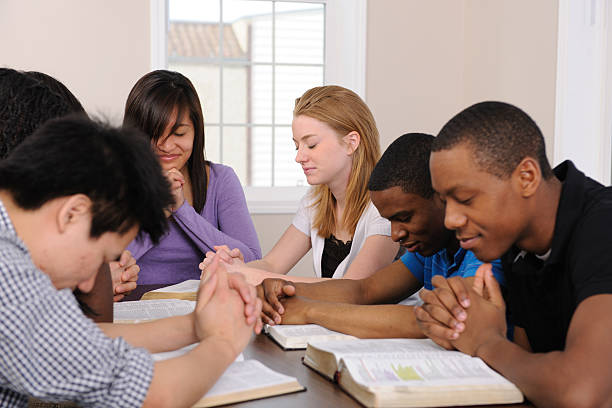
Pray effectively for peace in conflict zones with Scripture, practical action, and global collaboration. Step-by-step guide for Christians seeking God’s will.
① Understanding Biblical Prayer for Peace in Conflict Areas
In a world filled with conflict, violence, and uncertainty, Christians are called to pray for peace—not only for personal serenity but for entire communities, nations, and regions experiencing turmoil. The Bible teaches that prayer is both a spiritual weapon and a channel through which God works to bring reconciliation, protection, and restoration. Prayer in conflict areas is not a passive act of hope but an active engagement with God’s sovereign power.
1. The Power of Intercessory Prayer
Ephesians 6:18 (KJV) instructs: “Praying always with all prayer and supplication in the Spirit, and watching thereunto with all perseverance and supplication for all saints.”
- Practical Insight: Intercessory prayer means lifting up the needs of those in conflict to God. This includes praying for civilians caught in war, displaced families, healthcare workers, and aid organizations. When Christians commit to persistent prayer, it acts as a spiritual shield that covers vulnerable populations.
- Example: Consider a city in civil unrest. Believers can organize prayer chains, morning and evening intercessions, and community prayer vigils. By doing so, they are engaging spiritually to safeguard lives, promote wisdom among leaders, and calm fear in affected families.
2. Aligning Prayers with God’s Will
James 4:15 teaches: “If the Lord will, we shall live, and do this, or that.”
- Application: Before praying for peace, it is crucial to submit our desires to God’s will. Our prayers must acknowledge that true peace comes not merely from human negotiation but from divine guidance.
- Practical Step: Start prayers with confession and surrender, asking God to align the hearts of decision-makers and aggressors alike with His will. Include petitions for mercy, reconciliation, and justice, trusting God to orchestrate outcomes that reflect His kingdom principles.
3. Praying for Leaders and Those in Authority
1 Timothy 2:1–2 exhorts: “I exhort therefore, that, first of all, supplications, prayers, intercessions, and giving of thanks, be made for all men; For kings, and for all that are in authority; that we may lead a quiet and peaceable life in all godliness and honesty.”
- Explanation: Leaders have the power to escalate or mitigate conflicts. Christians are commanded to pray for them, not for partisan purposes, but so that their decisions reflect justice, compassion, and wisdom.
- Example: Believers can create dedicated prayer points for local politicians, international peace negotiators, and military commanders, asking God to soften hearts, prevent corruption, and favor reconciliation over retaliation.
4. Prayer for Protection and Reconciliation
Psalm 122:6 declares: “Pray for the peace of Jerusalem: they shall prosper that love thee.”
- Practical Insight: Peaceful prayer seeks not only cessation of violence but restoration of broken relationships and safety for affected communities.
- Example: In conflict zones, families face displacement, trauma, and loss. Prayer can focus on:
- The protection of children and vulnerable adults.
- Healing for emotional and physical wounds.
- Reconciliation between warring factions or divided communities.
- Actionable Step: Organize prayer groups that write letters of encouragement to displaced families or coordinate with humanitarian agencies to combine prayer with practical aid. This reflects faith in action.
5. Faith and Persistence in Prayer
Mark 11:24 teaches: “Therefore I say unto you, What things soever ye desire, when ye pray, believe that ye receive them, and ye shall have them.”
- Practical Insight: Belief is central to effective prayer. When praying for peace in conflict areas, Christians must persist, trusting God’s timing and methods. Even when immediate change is not visible, persistent prayer lays a spiritual foundation for transformation.
- Example: A believer praying daily for a war-torn region may never see instant resolution but their prayers contribute to divine intervention, protection, and opportunities for peacemaking efforts to succeed.
6. Integrating Action with Prayer
James 2:17 emphasizes: “Even so faith, if it hath not works, is dead, being alone.”
- Practical Application: Prayer must be coupled with practical actions:
- Supporting NGOs working in conflict zones.
- Volunteering for refugee assistance programs.
- Advocating for justice through lawful civic channels.
Prayer is most powerful when it inspires action, transforming faith into tangible support that fosters peace.
Key Takeaways from this First Section
- Prayer in conflict areas is a spiritual responsibility, not optional.
- Biblical prayer emphasizes intercession, surrender, and alignment with God’s will.
- Believers are called to pray for leaders, communities, and even adversaries, promoting reconciliation and protection.
- Faithful, persistent prayer, combined with practical action, brings God’s peace into real-life situations.
Through prayer guided by Scripture, Christians become active participants in God’s mission to bring peace, justice, and restoration to conflict-ridden regions.
② Practical Steps for Christians to Pray for Peace in Conflict Areas
Prayer for peace in areas of conflict is not merely a spiritual exercise—it is an active engagement with God’s power to bring safety, justice, and reconciliation. The Bible provides clear guidance on how Christians can approach this responsibility. By combining faith, Scripture, and intentional action, believers can intercede effectively for communities in turmoil.
1. Begin with Personal Spiritual Preparation
Before praying for others, believers must first align their own hearts with God. Psalm 66:18 (KJV) says: “If I regard iniquity in my heart, the Lord will not hear me.”
- Practical Application:
- Confess personal sins and seek God’s cleansing before interceding for conflict areas.
- Engage in fasting or quiet reflection to deepen focus and spiritual sensitivity.
- Spend dedicated time in Scripture to understand God’s will regarding peace and justice.
Example: A believer may dedicate the first 15–30 minutes each morning to confession and Scripture reading before praying for a war-torn city. This prepares the heart to pray effectively.
2. Research and Understand the Conflict
James 1:5 (KJV) instructs: “If any of you lack wisdom, let him ask of God, that giveth to all men liberally, and upbraideth not; and it shall be given him.”
- Practical Application:
- Learn about the root causes of the conflict: historical, political, cultural, or economic.
- Identify affected populations, humanitarian needs, and key leaders.
- Pray specifically for these aspects, making intercession focused and strategic.
Example: Instead of generic prayers, a Christian might pray:
“Lord, protect the children displaced in [City], grant wisdom to local leaders to negotiate safely, and soften the hearts of those perpetuating violence.”
3. Intercede Specifically and Persistently
Luke 18:1 (KJV) says: “Men ought always to pray, and not to faint.”
- Practical Insight:
- Persistent, specific prayer is powerful in spiritual warfare.
- Identify daily prayer points: safety, reconciliation, justice, food and medical aid, and peace agreements.
- Encourage community prayer groups or online prayer chains for accountability and collective intercession.
Example: Christians worldwide can coordinate 24-hour prayer schedules for a specific conflict region, covering every hour with prayer for different needs.
4. Pray for Leaders and Influencers
1 Timothy 2:1–2 (KJV) emphasizes praying for authorities to ensure a quiet and peaceable life.
- Practical Application:
- Pray for leaders to have wisdom, courage, and humility.
- Ask God to guide negotiations, peace talks, and ceasefire agreements.
- Pray for international organizations mediating conflicts to act justly and effectively.
Example: A believer may pray:
“Lord, give the UN mediators discernment, and help government officials act with integrity and compassion to protect civilians.”
5. Include Practical Support Alongside Prayer
James 2:17 reminds us: “Even so faith, if it hath not works, is dead, being alone.”
- Application:
- Support relief organizations with donations, supplies, or volunteer work.
- Use prayer to guide your actions—send aid where you sense God leading.
- Advocate for justice and peace through legal, social, or media channels.
Example: Alongside praying for refugee children, a believer may fund educational supplies, creating a tangible impact while spiritually interceding.
6. Pray for Emotional and Spiritual Healing
Psalm 34:18 (KJV) teaches: “The Lord is nigh unto them that are of a broken heart; and saveth such as be of a contrite spirit.”
- Practical Insight:
- Conflict causes trauma and despair. Prayer should include requests for emotional, psychological, and spiritual restoration.
- Encourage local churches to provide counseling, fellowship, and support networks for victims.
Example: Pray:
“Lord, heal the hearts of families affected by violence, give them hope, and surround them with Your love through caring communities.”
7. Combine Intercession with Evangelism
Colossians 4:5–6 (KJV) urges: “Walk in wisdom toward them that are without, redeeming the time. Let your speech be alway with grace, seasoned with salt, that ye may know how ye ought to answer every man.”
- Practical Insight:
- While praying for peace, also share the message of Christ through safe channels.
- Encourage local believers to be peacemakers and witnesses of God’s love.
Example: Support the translation and distribution of Scripture or Christian literature in conflict zones, so prayer and the Word work together to bring hope.
Key Takeaways from This Section
- Preparation: Align your heart with God before interceding.
- Knowledge: Understand the conflict to pray specifically.
- Persistence: Pray consistently and strategically.
- Leadership: Intercede for decision-makers and influencers.
- Action: Combine prayer with practical support for those affected.
- Healing: Pray for emotional, physical, and spiritual restoration.
- Evangelism: Use prayer to encourage hope and witness for Christ.
By integrating faith, Scripture, practical action, and persistent prayer, Christians can become active agents of God’s peace, even in the most challenging conflict areas.
③ Advanced Strategies for Christians to Pray for Peace in Conflict Areas
Praying for peace in conflict zones requires more than general petitions; it demands strategic, Scripture-guided, and persistent intercession that aligns with God’s will. Christians are called to move beyond routine prayer into intentional spiritual warfare, advocacy, and practical support, trusting that God is sovereign over every human circumstance.
1. Structured Prayer Plans
Luke 18:1 (KJV) reminds us: “Men ought always to pray, and not to faint.”
- Application: Create daily, weekly, and monthly prayer schedules that focus on specific areas:
- Daily: Safety, provision, and protection for civilians.
- Weekly: Guidance for peace negotiations and reconciliation efforts.
- Monthly: Long-term stability, justice, and spiritual revival in affected communities.
Practical Tip: Divide the day into prayer segments—for example, morning for leaders, afternoon for families, evening for spiritual renewal. This ensures that no critical aspect is overlooked.
2. Incorporating Scripture in Every Prayer
Psalm 85:10 (KJV): “Mercy and truth are met together; righteousness and peace have kissed each other.”
- Practical Insight: Using Scripture in prayer reinforces faith and grounds intercession in God’s promises.
- Example:
“Lord, as Your Word says in Psalm 85:10, may righteousness and peace prevail in [region]. Protect the innocent and guide leaders with truth.”
- Benefit: Scriptural prayers invoke God’s authority and remind us that peace is His will, not merely a human desire.
3. Engaging in Spiritual Warfare
Ephesians 6:12 (KJV) teaches: “For we wrestle not against flesh and blood, but against principalities, against powers, against the rulers of the darkness of this world, against spiritual wickedness in high places.”
- Practical Application:
- Pray against spiritual strongholds causing violence, hatred, and injustice.
- Declare God’s kingdom over areas plagued by corruption or oppression.
- Employ fasting and intercessory vigils to strengthen spiritual authority.
Example: Organize a prayer night where the community intercedes for a city experiencing gang violence, using Scripture to declare God’s peace over the region.
4. Coordinated Prayer with Global Believers
1 Corinthians 12:12 (KJV): “For as the body is one, and hath many members, and all the members of that one body, being many, are one body: so also is Christ.”
- Practical Insight: The church is strongest when united. Coordinate with believers worldwide to cover conflict zones in prayer continuously.
- Example: A church in Europe may pray while a church in Asia prays at a different hour, ensuring 24-hour spiritual coverage for affected communities.
5. Prayer for Reconciliation and Forgiveness
Matthew 5:9 (KJV): “Blessed are the peacemakers: for they shall be called the children of God.”
- Practical Application:
- Pray for hearts to turn from revenge to forgiveness.
- Seek reconciliation between opposing groups or factions.
- Encourage local faith communities to model peacemaking in their neighborhoods.
Example: Pray:
“Lord, soften the hearts of combatants, let forgiveness prevail over anger, and bring peacemakers to lead reconciliation initiatives.”
6. Integrating Prayer with Advocacy and Aid
James 2:16 (KJV) reminds us: “If one of you say unto them, Depart in peace, be ye warmed and filled; notwithstanding ye give them not those things which are needful to the body; what doth it profit?”
- Practical Insight: Prayer gains power when paired with action:
- Support food, medical, and shelter programs.
- Advocate for fair policies and humanitarian relief.
- Communicate prayer points with organizations working on the ground.
Example: A Christian prayer team can provide spiritual intercession for displaced families while simultaneously sending clothing, hygiene kits, or education supplies.
7. Persistent Faith in God’s Timing
Habakkuk 2:3 (KJV): “For the vision is yet for an appointed time, but at the end it shall speak, and not lie: though it tarry, wait for it; because it will surely come, it will not tarry.”
- Explanation: Outcomes may not appear immediately, but God hears persistent prayer. Patience, faith, and consistency are crucial.
Example: Even if a ceasefire does not occur immediately, continued prayer helps sustain hope, guide advocacy, and prepare the spiritual ground for eventual peace.
Key Takeaways from This Section
- Use structured prayer schedules for consistency and coverage.
- Incorporate Scripture in every petition to align with God’s will.
- Engage in spiritual warfare for areas dominated by injustice or violence.
- Unite with global believers to create continuous intercessory coverage.
- Focus on reconciliation and peacemaking, not just cessation of conflict.
- Combine prayer with practical aid and advocacy to maximize impact.
- Maintain persistent faith, trusting God’s perfect timing.
Through strategic, Scripture-based, and persistent prayer, Christians become agents of God’s peace, even in the most severe conflict zones. Prayer transforms despair into hope, chaos into divine order, and fear into faith-driven action.
④ Step-by-Step Practical Guide for Christians to Pray for Peace in Conflict Areas
Praying for peace in conflict areas requires strategic, deliberate, and informed action. It is not sufficient to pray vaguely; Christians are called to combine Scripture, discernment, and practical engagement to see God’s transformative work manifest in real-life situations. This section provides a step-by-step practical framework for intercessory prayer, ensuring that believers’ efforts are both spiritually powerful and socially impactful.
1. Step One: Spiritual Self-Preparation
Psalm 66:18 (KJV) reminds us: “If I regard iniquity in my heart, the Lord will not hear me.”
- Application:
- Begin with confession of personal sins. Recognize any bitterness, anger, or prejudice that may hinder effective prayer.
- Engage in fasting or quiet meditation to cultivate spiritual sensitivity.
- Study Scriptures related to peace, justice, and God’s sovereignty to inform prayer content.
Example: A believer might spend an hour in quiet reflection, confessing personal shortcomings and praying for clarity and compassion before interceding for a region in conflict.
2. Step Two: Gather Accurate Information
James 1:5 (KJV) teaches: “If any of you lack wisdom, let him ask of God, that giveth to all men liberally, and upbraideth not; and it shall be given him.”
- Application:
- Understand the root causes of the conflict: historical tensions, ethnic divisions, economic struggles, or political disputes.
- Identify specific groups in need: civilians, children, displaced families, and humanitarian workers.
- Learn about the leaders and negotiators involved in conflict resolution.
Example: A church prayer team researches current news, NGO reports, and community needs, allowing them to pray for specific situations and outcomes rather than generalities.
3. Step Three: Develop Focused Prayer Points
Matthew 6:10 (KJV): “Thy kingdom come. Thy will be done in earth, as it is in heaven.”
- Practical Insight: Create prayer points that target key areas:
- Safety: Protection from violence and harm for civilians and aid workers.
- Wisdom: Guidance for leaders, mediators, and negotiators.
- Reconciliation: Healing broken relationships between conflicting groups.
- Provision: Access to food, medical care, and shelter.
- Spiritual Renewal: Hearts softened to receive God’s truth and mercy.
Example: Each prayer session can follow a structured pattern, dedicating 10–15 minutes to each point, citing relevant Scripture, e.g., Psalm 46:9 for cessation of hostilities, Proverbs 2:6 for wisdom for leaders.
4. Step Four: Engage in Spiritual Warfare
Ephesians 6:12 (KJV): “For we wrestle not against flesh and blood, but against principalities, against powers, against the rulers of the darkness of this world, against spiritual wickedness in high places.”
- Application:
- Declare God’s authority over areas controlled by spiritual oppression, hatred, or violence.
- Pray for divine intervention that halts evil plans and encourages reconciliation.
- Incorporate fasting or extended vigils to intensify spiritual focus.
Example: A prayer group may fast on Wednesdays while specifically praying against corruption and violence in a conflict zone, declaring Psalm 24:1–2 over the area.
5. Step Five: Mobilize Collective Prayer
1 Corinthians 12:12 (KJV) teaches: “For as the body is one, and hath many members…so also is Christ.”
- Practical Insight: Unite with other churches, prayer groups, or online communities to ensure continuous coverage of prayer for conflict zones.
- Actionable Step: Assign different groups to different regions or focus areas, creating a 24-hour intercession network.
Example: A prayer chain connecting churches in Asia, Europe, and North America ensures that there is constant spiritual support for affected communities.
6. Step Six: Integrate Prayer with Action
James 2:17 (KJV): “Even so faith, if it hath not works, is dead, being alone.”
- Practical Application:
- Support humanitarian efforts financially or physically.
- Volunteer with NGOs providing medical aid, food, or shelter.
- Advocate for peace and justice through awareness campaigns, social media, or local outreach.
Example: While praying for displaced children, a believer can simultaneously donate school supplies or coordinate remote tutoring programs, combining spiritual intercession with tangible aid.
7. Step Seven: Pray for Long-Term Restoration
Psalm 122:6 (KJV): “Pray for the peace of Jerusalem: they shall prosper that love thee.”
- Practical Insight:
- Beyond immediate conflict, pray for enduring peace, justice, and spiritual revival in the region.
- Encourage local communities to establish reconciliation programs, education initiatives, and faith-based counseling.
Example: Pray for the training of local peacemakers, ensuring that reconciliation efforts continue even after external assistance diminishes.
8. Step Eight: Document and Reflect
Habakkuk 2:2 (KJV): “Write the vision, and make it plain upon tables, that he may run that readeth it.”
- Practical Application:
- Keep a journal of prayer requests, answered prayers, and progress.
- Share testimonies with the wider church to encourage collective faith and persistent intercession.
Example: A prayer coordinator records each peace initiative, noting how prayer and action worked together, motivating others to maintain steadfast intercession.
Key Takeaways from This Fourth Section
- Begin with personal spiritual preparation for effective intercession.
- Research the conflict to pray with precision and understanding.
- Develop structured prayer points covering safety, wisdom, reconciliation, provision, and spiritual renewal.
- Engage in spiritual warfare over areas dominated by evil influences.
- Mobilize collective prayer networks for continuous intercession.
- Combine prayer with practical aid and advocacy for maximum impact.
- Pray for long-term restoration and reconciliation beyond immediate peace.
- Document progress and answered prayers to encourage persistence and faith.
Through this step-by-step, Scripture-based, and action-integrated approach, Christians can become powerful agents of God’s peace, bringing hope, justice, and restoration to conflict-ridden regions.
⑤ Comprehensive Intercession and Action for Peace in Conflict Areas
Christians are called not only to pray but also to actively participate in God’s work of peace in conflict zones. Intercession becomes powerful when combined with strategic action, global collaboration, and continuous reflection, rooted firmly in Scripture. This section presents an integrated approach that ensures every prayer and effort is aligned with God’s will and maximizes spiritual and practical impact.
1. Deepening Spiritual Immersion Before Intercession
Psalm 34:18 (KJV) declares: “The Lord is nigh unto them that are of a broken heart; and saveth such as be of a contrite spirit.”
- Practical Application:
- Spend extended periods in worship and Scripture meditation to align your heart with God’s intentions for peace.
- Confess both personal and communal sins that may hinder the efficacy of prayer.
- Incorporate fasting, solitude, and silent reflection to strengthen spiritual focus.
Example: A prayer team may dedicate entire mornings to silent meditation on Psalms and Isaiah passages that call for justice and peace, ensuring the heart is fully surrendered to God’s will before interceding.
2. Holistic Understanding of Conflict and Needs
Proverbs 2:6 (KJV): “For the Lord giveth wisdom: out of his mouth cometh knowledge and understanding.”
- Practical Insight:
- Investigate not only the political or military dimensions but also the social, emotional, and spiritual impacts of conflict.
- Identify critical needs, including children, refugees, local churches, and humanitarian agencies.
- Map out leaders, negotiators, and key influencers whose decisions impact the outcome.
Example: A church may collaborate with international NGOs to gather accurate reports about displaced families, and then use those insights to guide specific prayers and support initiatives.
3. Multi-Layered Prayer Strategy
1 Thessalonians 5:17 (KJV) commands: “Pray without ceasing.”
- Practical Application:
- Create multi-layered prayer points: immediate protection, leadership wisdom, reconciliation, provision, and long-term stability.
- Integrate Scripture into each prayer point, e.g., Psalm 46:9 for cessation of hostilities, Proverbs 3:5–6 for guidance of leaders.
- Include both vocal prayer and silent intercession to cover all spiritual dimensions.
Example: During a two-hour prayer session, the team may spend:
- 30 minutes praying for the safety of children and women.
- 30 minutes for the guidance of political and spiritual leaders.
- 30 minutes for reconciliation between conflicting factions.
- 30 minutes for provision and long-term peace initiatives.
4. Spiritual Warfare and Authority
Ephesians 6:13–17 (KJV) emphasizes: “Take unto you the whole armour of God, that ye may be able to withstand in the evil day…”
- Practical Insight:
- Declare God’s authority over areas plagued by corruption, violence, and spiritual darkness.
- Speak aloud God’s Word to oppose evil and release His protection over vulnerable populations.
- Use fasting and dedicated prayer vigils to intensify spiritual impact.
Example: A community prayer group may hold a weekly night vigil, reading and declaring Scriptures like Psalm 91 over towns experiencing violence, calling upon God’s protection and deliverance.
5. Collaborative and Continuous Prayer
Romans 12:4–5 (KJV): “For as we have many members in one body, and all members have not the same office: so we, being many, are one body in Christ…”
- Practical Application:
- Coordinate with churches globally for round-the-clock prayer coverage.
- Assign prayer responsibilities according to time zones and specific needs.
- Encourage feedback and reporting on answered prayers to maintain motivation and accountability.
Example: Churches in Asia, Africa, Europe, and the Americas synchronize their prayer efforts to ensure that someone is always interceding for the conflict area at every hour of the day.
6. Integration with Practical Humanitarian Efforts
James 2:16 (KJV) teaches: “If one of you say unto them, Depart in peace, be ye warmed and filled; notwithstanding ye give them not those things which are needful to the body, what doth it profit?”
- Practical Insight:
- Pair prayer with actionable support: food distribution, medical aid, shelter, and education.
- Use prayer to guide the selection of areas and needs to prioritize.
- Advocate for justice and relief measures through social media, campaigns, and legal channels.
Example: While praying for displaced children, a Christian organization may provide school materials and mentorship programs, demonstrating God’s love in action alongside spiritual intercession.
7. Long-Term Peacebuilding and Reconciliation
Matthew 5:9 (KJV): “Blessed are the peacemakers: for they shall be called the children of God.”
- Practical Application:
- Pray for reconciliation between rival factions, spiritual renewal, and community rebuilding.
- Support training of local peacemakers and faith leaders to maintain stability.
- Encourage initiatives like community dialogues, vocational training, and conflict resolution workshops.
Example: A church might sponsor leadership workshops teaching forgiveness, negotiation skills, and mediation to local youth, complementing prayer with practical tools for sustaining peace.
8. Continuous Reflection, Documentation, and Reporting
Habakkuk 2:2 (KJV): “Write the vision, and make it plain upon tables, that he may run that readeth it.”
- Practical Insight:
- Maintain a journal of prayer points, progress, and answered prayers.
- Share testimonies to inspire collective intercession.
- Evaluate strategies regularly and adjust prayer focuses according to developments.
Example: Documenting specific prayers for medical aid delivery and noting actual outcomes encourages continued persistence and builds faith in God’s responsiveness.
Key Takeaways from This Fifth Section
- Engage in deep spiritual preparation for effective intercession.
- Gain a holistic understanding of conflict zones to pray strategically.
- Implement multi-layered, Scripture-integrated prayer schedules.
- Exercise spiritual authority over areas of darkness through faith-filled declarations.
- Coordinate with global prayer networks for continuous coverage.
- Pair prayer with practical humanitarian action to meet real needs.
- Focus on long-term peacebuilding and reconciliation alongside immediate relief.
- Practice reflection, documentation, and reporting to refine strategies and encourage persistence.
By combining persistent prayer, Scripture-guided intercession, strategic action, and global collaboration, Christians can become effective agents of God’s peace, bringing transformation, protection, and hope to communities entrenched in conflict.
⑥ Complete Guidance for Praying for Peace in Conflict Areas
The journey of intercessory prayer for peace in conflict areas culminates in a comprehensive understanding of faith, Scripture, action, and hope. It is not merely a spiritual exercise but a lifelong commitment to justice, mercy, and practical involvement. This section integrates all previous steps into a cohesive strategy, providing Christians worldwide with tools to effectively pray, act, and witness God’s transformative power.
1. Overarching Biblical Principles for Peace
Psalm 34:14 (KJV): “Depart from evil, and do good; seek peace, and pursue it.”
Isaiah 2:4 (KJV): “And he shall judge among the nations, and shall rebuke many people: and they shall beat their swords into plowshares, and their spears into pruninghooks: nation shall not lift up sword against nation, neither shall they learn war any more.”
- Christians are called to actively pursue peace, not passively pray for it.
- Prayer should align with God’s justice, mercy, and righteousness, ensuring intercession is grounded in divine truth.
2. Integrating Prayer with Practical Action
James 2:17 (KJV): “Even so faith, if it hath not works, is dead, being alone.”
- Combine prayer with actionable humanitarian efforts:
- Provide food, medical supplies, shelter, and education for conflict-affected communities.
- Engage in advocacy for justice, policy reform, and support local peace initiatives.
- Continuous evaluation ensures that prayer leads to tangible transformation.
Example: Donating to organizations assisting displaced families while praying for their safety demonstrates a holistic approach to intercession.
3. Developing Collective and Continuous Prayer Networks
1 Corinthians 12:12 (KJV): “For as the body is one, and hath many members…”
- Create global prayer chains to maintain 24/7 intercession coverage.
- Assign specific regions, issues, and focus areas to different groups to ensure strategic prayer alignment.
- Share testimonies of answered prayers to inspire and maintain motivation.
Example: Churches in North America, Europe, and Africa can coordinate to pray continuously, rotating focus areas to maintain spiritual pressure on conflict zones.
4. Reflection, Documentation, and Discernment
Habakkuk 2:2 (KJV): “Write the vision, and make it plain upon tables, that he may run that readeth it.”
- Maintain journals detailing prayer requests, developments, and answered prayers.
- Regular reflection allows adjustment of strategies and deepens spiritual understanding.
- Discernment ensures prayers are targeted, effective, and God-honoring.
Mobilize Faith and Resources
- Engage personally: Dedicate daily prayer time for conflict areas.
- Connect globally: Join intercessory networks or online prayer communities.
- Support practically: Donate, volunteer, or advocate for humanitarian assistance.
- Educate: Share insights from Scripture and updates on conflict zones with local churches to broaden awareness and action.
Practical Tip: Set aside one hour weekly for focused prayer and action planning, combining Scripture, intercession, and tangible support for those in need.
6. FAQs for Christians Interceding for Peace
Q1: Can prayer alone bring peace?
A1: Prayer is powerful but God calls us to combine faith with works (James 2:17). Action amplifies spiritual impact.
Q2: How can I know what to pray for in complex conflicts?
A2: Research, discernment, and collaboration with informed networks help target prayers effectively (Proverbs 2:6).
Q3: How long should I commit to praying for a region?
A3: Continuous, persistent prayer is encouraged. 24/7 prayer chains and rotating shifts ensure uninterrupted spiritual coverage (1 Thessalonians 5:17).
Discussion Points for Church Groups and Communities
- Evaluate local and global conflict situations through a biblical lens.
- Discuss practical ways to integrate prayer with humanitarian action.
- Share testimonies of how intercession led to measurable impact.
- Strategize collaborative initiatives across churches and communities.
Message of Deliverance and Encouragement
Romans 8:28 (KJV): “And we know that all things work together for good to them that love God…”
- God is sovereign even over conflict and chaos.
- Every prayer, action, and small effort contributes to His ultimate plan for peace.
- Believers are called to trust, persevere, and witness God’s hand at work in the midst of trials.
Numbers 6:24–26 (KJV): “The Lord bless thee, and keep thee: The Lord make his face shine upon thee, and be gracious unto thee: The Lord lift up his countenance upon thee, and give thee peace.”
- May every intercessor experience divine guidance, protection, and spiritual strength.
- May God multiply your efforts, turning prayers into tangible peace and restoration in conflict-affected areas.
Key Takeaways
- Deep spiritual preparation ensures effective intercession.
- Accurate understanding of conflicts enables precise prayer.
- Multi-layered prayer with Scripture amplifies impact.
- Spiritual warfare and authority confront evil influences.
- Collective prayer networks sustain 24/7 intercession.
- Integrate prayer with practical humanitarian action.
- Reflect, document, and adjust strategies regularly.
- Engage in long-term peacebuilding and reconciliation.
- Share testimonies to encourage persistent faith.
- Trust God’s sovereignty for ultimate peace and deliverance.