A Deep Biblical Framework for Spiritually Resting When Sleep Refuses to Come
Struggling to sleep? Discover powerful Bible verses, structured night routines, and practical Scripture-based methods to overcome anxiety and find peace in the dark.
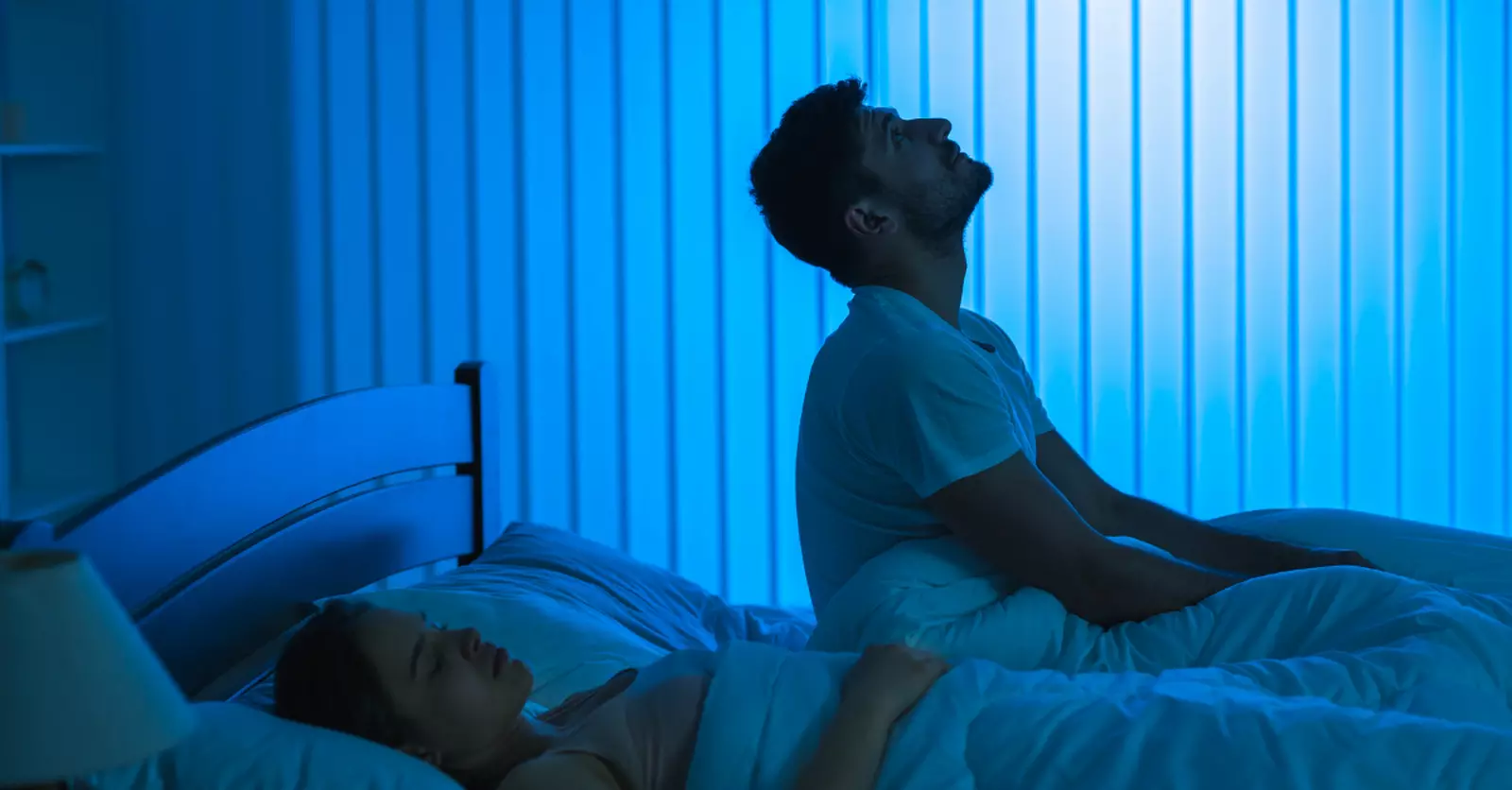
There are nights when the body is tired but the mind is not.
Nights when the room is silent but your thoughts are loud.
Nights when exhaustion sits heavy on your chest, yet sleep will not cooperate.
For many believers, insomnia is not merely physical. It is spiritual, emotional, and psychological. Regret revisits. Fear whispers. Unanswered prayers resurface. Future uncertainties magnify in the dark.
Night has always been symbolically powerful in Scripture.
Night represents:
- Vulnerability
- Exposure
- Testing
- Waiting
- Divine encounter
The question is not merely, “How do I fall asleep?”
The deeper question is:
How do I use Scripture when sleep refuses to come?
This first section builds a theological and practical framework for transforming restless nights into sacred spaces of encounter.
SECTION 1: UNDERSTANDING THE SPIRITUAL DIMENSION OF NIGHT
In Scripture, night is not empty. It is often revelatory.
Jacob wrestled at night.
David sang at night.
Paul and Silas prayed at midnight.
Jesus withdrew in darkness to pray.
Night strips distractions. It removes noise. It exposes what the day hides.
Psalm 16:7 says: “I bless the Lord who gives me counsel; in the night also my heart instructs me.”
The Hebrew word for “heart” here is כִּלְיָה (kilyah), literally meaning kidneys, but metaphorically referring to the inner conscience, deepest emotions, and moral center.
Night activates the inner world.
This is why Scripture becomes powerful at night.
Because night intensifies what is internal.
If you do not guide your thoughts, your fears will.
SECTION 2: WHY THE MIND RUNS AT NIGHT
From a psychological perspective, nighttime reduces sensory input. Without distractions, unresolved thoughts surface.
Spiritually, night often magnifies:
- Anxiety about the future
- Regret about the past
- Loneliness
- Financial concerns
- Relationship stress
- Guilt or shame
- Fear of uncertainty
This is not weakness. It is human vulnerability.
Psalm 42:8 declares: “His song will be with me in the night.”
Notice the phrase “with me.”
Scripture is not merely read.
It accompanies.
The Hebrew word for “song” is שִׁיר (shir) – meaning lyrical declaration. It implies intentional verbalization.
David did not passively endure the night.
He sang truth into it.
SECTION 3: SCRIPTURE AS COGNITIVE REPLACEMENT
One of the most powerful biblical principles for sleepless nights is cognitive replacement.
Romans 12:2 says: “Be transformed by the renewing of your mind.”
The Greek word for “renewing” is ἀνακαίνωσις (anakainōsis):
- Renovation
- Complete renewal
- Structural transformation
Insomnia often feeds on repetitive anxious thought patterns.
Scripture interrupts mental loops.
Not by magic. By replacement.
You cannot simply tell your mind to stop thinking. You must give it something higher to think about.
Philippians 4:8 gives a structured mental filter: Whatever is true. Whatever is honorable. Whatever is right. Whatever is pure. Dwell on these things.
The Greek word for “dwell” is λογίζομαι (logizomai):
- To calculate carefully
- To reason intentionally
- To deliberate
This is active meditation, not passive reading.
SECTION 4: DIFFERENT WAYS TO USE SCRIPTURE AT NIGHT
There is more than one method. Different nights require different approaches.
- Verbal Declaration
Speak Scripture softly.
Example: “The Lord is my shepherd; I shall not want.”
Hearing your own voice calms the nervous system and anchors attention.
- Slow Meditation
Take one verse and repeat it slowly.
Example: “Be still and know that I am God.”
Pause after each phrase. Let it breathe. Let it settle.
- Scripture-Based Prayer
Turn verses into prayer.
Example: “Lord, You are my refuge and strength. Be my refuge right now.”
- Memorized Recitation
When lights are off, recall verses from memory. Memory work becomes powerful in darkness.
- Psalm Reading
The Psalms are uniquely suited for nighttime because they express raw emotion honestly.
Psalm 4:8 says: “In peace I will both lie down and sleep, for You alone, O Lord, make me dwell in safety.”
The Hebrew word for “peace” is שָׁלוֹם (shalom):
- Wholeness
- Completeness
- Restored harmony
Shalom is not merely absence of noise.
It is inner alignment.
SECTION 5: NIGHT AS TRUST TESTING
Insomnia sometimes reveals control issues.
During the day, we function actively. At night, we must surrender control.
Psalm 127:2 says: “He gives to His beloved even in sleep.”
The Hebrew implies that God works while you rest.
Sleep requires trust.
When sleep does not come, it may expose:
- Fear of losing control
- Fear of outcomes
- Fear of vulnerability
Scripture reminds you:
God does not sleep. He does not grow tired. He is sovereign even when you are unconscious.
Psalm 121:4: “He who keeps Israel will neither slumber nor sleep.”
While you struggle to sleep, God remains awake.
SECTION 6: STRUCTURED NIGHT SCRIPTURE PLAN
Below is a framework you can use when insomnia strikes.
| Situation at Night | Scripture Focus | Mental Action | Spiritual Outcome |
|---|---|---|---|
| Anxiety about future | Matthew 6:34 | Replace catastrophic thinking | Trust in daily provision |
| Guilt or regret | 1 John 1:9 | Confess and release | Restoration of peace |
| Fear | Isaiah 41:10 | Repeat promise aloud | Courage replaces panic |
| Loneliness | Psalm 23 | Visualize Shepherd presence | Emotional comfort |
| Financial worry | Philippians 4:19 | Personalize verse | Confidence in provision |
| Overthinking | Psalm 46:10 | Slow breathing meditation | Nervous system calming |
This is not superstition.
It is structured spiritual discipline.
SECTION 7: WHAT NOT TO DO
Do not:
- Scroll endlessly through your phone.
- Replay worst-case scenarios.
- Self-condemn.
- Panic about the clock.
Clock-watching increases anxiety.
Instead of fighting the night, redeem it.
If sleep delays, turn it into worship.
SECTION 8: A DIFFERENT PERSPECTIVE ON REST
True rest is not merely physical unconsciousness.
Hebrews 4 speaks of entering God’s rest.
The Greek word for rest is κατάπαυσις (katapausis):
- A ceasing
- A settling
- A stopping of striving
Even if sleep is delayed, spiritual rest is available.
You can lie awake and still be resting in God.
Sleepless nights are not wasted nights.
They can become:
- Prayer chambers
- Scripture classrooms
- Surrender moments
- Trust-building encounters
- Deep healing spaces
Scripture is not merely informational. It is transformational.
When sleep refuses to come, let the Word speak louder than worry.
- Night exposes inner thoughts.
- Scripture replaces anxious mental loops.
- Rest is spiritual before it is physical.
- Insomnia can become sacred encounter.
- Extensive Bible verses categorized by night struggles
- Deep theological explanation
- Practical midnight application steps
- Real-life examples
- A structured 30-minute night routine
- Multiple tables for guided practice
- A layered Scripture meditation framework
This is not shallow encouragement.
This is a full biblical night strategy.
WHEN ANXIETY ABOUT THE FUTURE KEEPS YOU AWAKE
Anxiety often intensifies at night because tomorrow feels closer in the dark.
Jesus directly addresses future anxiety.
Matthew 6:34
“Therefore do not worry about tomorrow, for tomorrow will worry about itself. Each day has enough trouble of its own.”
The Greek word for “worry” is μεριμνάω (merimnaō):
- To be divided internally
- To be pulled apart
Anxiety divides the mind.
Night magnifies that division.
Practical Application at 2:00 AM: Instead of asking “What if tomorrow goes wrong?”
Ask, “What has God already handled in my past?”
Lamentations 3:22–23
“The steadfast love of the Lord never ceases; His mercies never come to an end; they are new every morning.”
Notice the phrase “new every morning.”
Morning mercy is already prepared while you lie awake.
Philippians 4:6–7
“Be anxious for nothing, but in everything by prayer and supplication with thanksgiving let your requests be made known to God…”
The Greek word for “made known” is γνωρίζω (gnōrizō):
- To make fully known
- To disclose completely
At night, fully disclose your fear.
Practical Example: If you are worried about a job interview tomorrow, pray specifically: “Lord, I release the outcome. You govern doors and favor.”
Psalm 56:3
“When I am afraid, I will trust in You.”
Trust is not absence of fear.
It is direction of fear.
WHEN GUILT OR REGRET RESURFACES AT NIGHT
Night often replays past failures.
Psalm 51:10
“Create in me a clean heart, O God.”
The Hebrew word for “create” is בָּרָא (bara) — the same word used in Genesis 1.
God does not repair your heart. He recreates it.
1 John 1:9
“If we confess our sins, He is faithful and just to forgive us…”
The Greek word for confess is ὁμολογέω (homologeō):
- To agree with
- To say the same thing as
At night, instead of defending yourself internally, agree with God and release it.
Practical Example: Instead of replaying an argument: “Lord, I confess my pride. Thank You for forgiveness. I release shame.”
Micah 7:19
“You will cast all our sins into the depths of the sea.”
If God casts it away, why are you replaying it?
Romans 8:1
“There is therefore now no condemnation for those who are in Christ Jesus.”
The Greek word for condemnation is κατάκριμα (katakrima):
- Judicial penalty
Night condemnation is not from God.
WHEN FEAR STRIKES IN THE DARK
Fear grows in darkness.
Isaiah 41:10
“Fear not, for I am with you; be not dismayed, for I am your God.”
The Hebrew phrase “I am with you” is covenantal presence language.
Presence dispels fear.
Psalm 27:1
“The Lord is my light and my salvation; whom shall I fear?”
Darkness loses authority when light is declared.
2 Timothy 1:7
“For God has not given us a spirit of fear, but of power, love, and a sound mind.”
The Greek word for sound mind is σωφρονισμός (sōphronismos):
- Self-control
- Disciplined thinking
At night, ask: “Is this thought disciplined or distorted?”
Practical Night Exercise: Repeat slowly: “God has given me power.
God has given me love.
God has given me a sound mind.”
Let rhythm calm the nervous system.
WHEN LONELINESS IS LOUD
Night magnifies isolation.
Psalm 23:4
“Even though I walk through the valley… You are with me.”
Not “You will be.”
“You are.”
Hebrews 13:5
“I will never leave you nor forsake you.”
The Greek uses five negatives for emphasis. It is the strongest possible denial of abandonment.
John 14:18
“I will not leave you as orphans.”
The Greek word for orphan is ὀρφανός (orphanos) — abandoned child.
Jesus explicitly rejects that identity over you.
Practical Example: Place your hand over your chest and say: “I am not alone. Christ is present.”
Psalm 139:12
“Even the darkness is not dark to You.”
Darkness hides nothing from God.
WHEN FINANCIAL OR PRACTICAL WORRIES DOMINATE
Philippians 4:19
“My God will supply all your needs…”
Supply comes from πληρόω (plēroō):
- To fill completely
Psalm 37:25
“I have not seen the righteous forsaken or their children begging for bread.”
Matthew 6:26
“Look at the birds of the air…”
Birds sleep without storing barns.
Practical Application: Instead of calculating financial disaster, calculate past provision.
List three times God provided unexpectedly.
A 30-MINUTE STRUCTURED SCRIPTURE NIGHT ROUTINE
Below is a practical guide for when sleep refuses to come.
| Time | Action | Scripture | Purpose |
|---|---|---|---|
| 0–5 minutes | Slow breathing + Psalm reading | Psalm 4 or 23 | Calm nervous system |
| 5–10 minutes | Verbal declaration | Isaiah 41:10 | Replace fear |
| 10–15 minutes | Confession + release | 1 John 1:9 | Clear guilt |
| 15–20 minutes | Gratitude recall | Psalm 103 | Shift focus |
| 20–25 minutes | Trust meditation | Matthew 6:34 | Release tomorrow |
| 25–30 minutes | Silent surrender | Psalm 46:10 | Enter spiritual rest |
Even if sleep does not come immediately, peace often does.
SCRIPTURE THEMES FOR DIFFERENT NIGHT STRUGGLES
| Night Struggle | Key Verses | Core Truth |
|---|---|---|
| Anxiety | Philippians 4:6–7, Matthew 6:34 | God governs tomorrow |
| Fear | Isaiah 41:10, Psalm 27:1 | God is present |
| Guilt | Romans 8:1, 1 John 1:9 | No condemnation |
| Loneliness | Hebrews 13:5, John 14:18 | Not abandoned |
| Financial worry | Philippians 4:19, Psalm 37:25 | Provision assured |
| Overthinking | Psalm 46:10 | Be still |
REDEFINING SUCCESSFUL NIGHT
A successful night is not merely: “I fell asleep quickly.”
A successful night may be: “I trusted deeply.”
Psalm 63:6
“When I remember You upon my bed, and meditate on You in the watches of the night.”
David did not waste the watches of the night. He redeemed them.
The Hebrew word for meditate is הָגָה (hagah):
- To murmur
- To whisper repeatedly
Whisper Scripture.
Let it anchor you.
Sleepless nights do not have to become anxiety chambers.
They can become:
- Forgiveness moments
- Fear replacement sessions
- Trust-building encounters
- Deep communion experiences
The Word of God is not a sedative. It is stabilizing truth.
If sleep comes, receive it gratefully.
If sleep delays, receive the opportunity for encounter.
This is where theology becomes lifestyle.
This is where insomnia becomes discipleship.
This is where restless nights become redeemed encounters.
This section includes:
- A full spiritual integration framework
- Advanced practical applications
- A weekly night-discipline model
- A heart-level diagnostic checklist
- Complete concluding synthesis
- Clear call to action
- Discussion questions
- Short SEO meta description
- Final blessing
This is not about “trying harder to sleep.”
It is about learning how to rest in God even when sleep delays.
REDEFINING NIGHT – FROM BATTLEFIELD TO SANCTUARY
Most people treat night as a battleground.
The mind attacks. The clock pressures. The body resists.
But Scripture presents another possibility.
Psalm 17:3
“You have tried my heart; You have visited me by night.”
Night visitation is biblical.
Job 35:10
“God my Maker, who gives songs in the night.”
Night is not only testing. It is also teaching.
If you approach insomnia as an enemy, frustration grows. If you approach it as a moment of formation, peace increases.
The key shift: Stop fighting the night. Start guiding it.
A DEEP HEART DIAGNOSTIC FOR SLEEPLESS NIGHTS
When you cannot sleep, ask structured spiritual questions.
Night Diagnostic Checklist:
- Is my anxiety rooted in control?
- Is my guilt unresolved confession?
- Is my fear based on imagined scenarios?
- Is my loneliness tied to misplaced identity?
- Is my exhaustion spiritual, emotional, or physical?
- Have I filled my mind with noise all day?
Psalm 4:4 says: “Meditate in your heart upon your bed, and be still.”
The Hebrew for meditate here implies internal dialogue.
Night reveals what you truly trust.
If fear dominates, trust is weak in that area. If peace settles, trust has matured.
Insomnia can expose spiritual growth gaps.
Not to condemn you. To refine you.
ADVANCED SCRIPTURE APPLICATION METHODS
Beyond basic reading, here are deeper methods.
- The Personalization Method
Turn every verse into first-person declaration.
Example: Original: “The Lord is my shepherd.” Personalized: “The Lord shepherds me tonight.”
Original: “Do not fear.” Personalized: “I will not fear this moment.”
This engages identity.
- The Breathing Integration Method
Inhale slowly: “The Lord is my light.”
Exhale slowly: “I will not fear.”
Breath rhythm calms the nervous system while Scripture anchors the mind.
- The Three-Layer Meditation
Layer 1 – Read the verse. Layer 2 – Reflect on what it reveals about God. Layer 3 – Apply it to your current worry.
Example with Isaiah 41:10: Layer 1: “I am with you.” Layer 2: God is present. Layer 3: Therefore, I am not facing tomorrow alone.
- The Gratitude Replacement Model
When anxiety lists problems, counter with gratitude lists.
Psalm 103:2
“Bless the Lord, O my soul, and forget none of His benefits.”
List:
- Past provision
- Past healing
- Past answered prayer
- Past protection
Gratitude interrupts catastrophic imagination.
A WEEKLY STRUCTURED NIGHT DISCIPLINE PLAN
Instead of reacting randomly each night, use a theme-based weekly approach.
| Day | Focus Theme | Key Verses | Night Action |
|---|---|---|---|
| Monday | Trust | Proverbs 3:5–6 | Surrender tomorrow’s plans |
| Tuesday | Forgiveness | 1 John 1:9 | Confess and release |
| Wednesday | Presence | Psalm 23 | Visualize Shepherd imagery |
| Thursday | Provision | Philippians 4:19 | Recall past provision |
| Friday | Identity | Romans 8:1 | Declare no condemnation |
| Saturday | Gratitude | Psalm 103 | List blessings |
| Sunday | Eternal Hope | Revelation 21:4 | Fix mind on future glory |
This transforms insomnia into structured discipleship.
WHAT IF SLEEP STILL DOES NOT COME?
Sometimes insomnia is physical.
Scripture does not replace medical wisdom. But it stabilizes the heart.
Even if sleep delays, spiritual rest is possible.
Hebrews 4:9–11 speaks of entering God’s rest.
Rest is not unconsciousness. It is ceasing from striving.
You can lie awake in physical fatigue and still be spiritually resting.
The difference: Striving mind versus surrendered mind.
INTEGRATED SUMMARY OF ALL THREE PARTS
Across this entire article, we have learned:
Night magnifies internal thoughts.
Scripture replaces destructive mental loops.
Confession removes guilt-driven insomnia.
Trust silences future anxiety.
Presence dispels loneliness.
Gratitude interrupts fear.
Structured discipline builds spiritual resilience.
Rest is spiritual before physical.
Sleepless nights become:
Prayer rooms.
Scripture classrooms.
Trust training sessions.
Identity reinforcement moments.
Fear confrontation spaces.
Insomnia is not always defeat. It can be development.
If you struggle with sleepless nights:
- Stop panicking about the clock.
- Create a written night Scripture plan.
- Memorize 10 core verses for darkness.
- Replace phone scrolling with Psalm reading.
- Practice breath-prayer integration.
- Keep a bedside gratitude journal.
- Commit to trust before sleep arrives.
Do not wait for crisis to memorize Scripture. Prepare before the night intensifies.
Spiritual discipline practiced in calm seasons sustains you in anxious ones.
DISCUSSION QUESTIONS
For Personal Reflection:
- What recurring thought keeps me awake most often?
- Which Scripture most directly confronts that fear?
- Do I trust God more in the daytime than at night?
- What habit worsens my insomnia?
- How can I restructure my night routine spiritually?
For Small Groups or Counseling Context:
- How can Scripture-based meditation complement emotional health?
- What is the difference between fear-based insomnia and medical insomnia?
- How can churches teach believers to redeem nighttime spiritually?
- What biblical figures experienced night struggles and how did they respond?
Sleepless nights are deeply human.
They reveal vulnerability. They expose fear. They magnify uncertainty.
But Scripture reveals something greater:
God is not absent in the night. He is attentive.
He does not sleep. He does not grow weary. He is not surprised by your anxiety.
When sleep refuses to come, do not waste the moment.
Whisper truth. Declare promises. Confess honestly. Release control. Meditate deeply. Surrender completely.
You may not control when sleep arrives. But you can control what fills your mind.
And when the Word fills the mind, peace often fills the heart.
The goal is not perfect sleep. The goal is deep trust.
Sleep may follow. And even if it does not immediately, rest in God always can.
May the Lord guard your mind when darkness falls.
May His Word become stronger than your worries.
May His presence calm your nervous system.
May His promises silence imagined fears.
May your bed become a sanctuary instead of a battlefield.
May you lie down in peace and rise in strength.
And on the nights when you cannot sleep,
may you discover that you are never alone.