
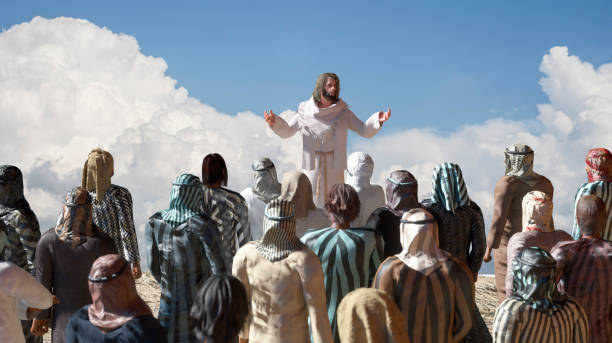
Discover the spiritual significance of Jesus’ life, humility, and approachability. Learn practical lessons to live faithfully and impactfully today.
The Height of Jesus Christ –
Understanding His Physical Presence in Biblical and Historical Context
When we ask, “How tall was Jesus Christ?”, it is tempting to seek a simple number. Yet this question opens a door into the profound intersection of history, culture, scripture, and spirituality. The Bible does not provide a direct measurement of Jesus’ height. Instead, it emphasizes His character, His mission, and His divine purpose. Isaiah 53:2 (KJV) states, “For he shall grow up before him as a tender plant, and as a root out of dry ground: he hath no form nor comeliness; and when we shall see him, there is no beauty that we should desire him.” This passage reminds believers that the significance of Jesus is not in His physical stature but in His obedience, compassion, and transformative presence.
Historical and archaeological studies offer insights into the likely physical characteristics of a first-century Jewish man. Anthropologists estimate the average height of men in Galilee during this period at approximately 5 feet 1 inch to 5 feet 5 inches. These measurements come from skeletal remains, nutritional analysis, and socio-economic context. As a carpenter, Jesus would have developed strong physical endurance, walking long distances daily and engaging in labor-intensive work. His strength was functional, supporting His ministry of healing, teaching, and service to communities in need. Mark 6:3 (KJV) emphasizes His human life, noting, “Is not this the carpenter, the son of Mary…”, highlighting His ordinary beginnings while hinting at the extraordinary impact of His ministry.
Beyond numbers, understanding Jesus’ height invites reflection on the contrast between human expectations and divine priorities. Society often values physical appearance, stature, or outward presence, yet Jesus’ life demonstrates that true greatness lies in spiritual integrity, humility, and the fruits of faith. When considering His height, believers are encouraged to shift focus from external measures to internal virtues such as love, patience, mercy, and obedience to God’s will.
Practical lessons for contemporary believers emerge from this exploration. First, it underscores the importance of humility; God’s work often manifests in ordinary human vessels, much like Jesus, whose physical appearance was unassuming yet whose spiritual influence was immeasurable. Second, it invites followers to reflect on personal character rather than societal standards of success. Third, it provides a lens to view human potential: regardless of outward form, God equips individuals to accomplish extraordinary purposes when guided by faith and obedience.
Considering cultural context, Jesus’ height and appearance were typical of His community, making Him relatable to the people He served. This relatability was integral to His teaching style and His ability to connect with ordinary people. The parables, healings, and interactions with children, elders, and outcasts illustrate that the power of Christ lies not in physical presence but in the authority of His words and the demonstration of God’s love.
Finally, contemplating the physical presence of Jesus Christ offers an opportunity for deeper meditation on spiritual priorities. While curiosity about His height may arise naturally, the Bible directs attention toward His life’s mission, divine purpose, and the eternal significance of His actions. As believers meditate on Jesus’ earthly journey, they are reminded that God’s transformative power is revealed not in outward appearances but through service, sacrifice, and unwavering faith.
This exploration forms the foundation for the following sections, which will delve into the implications of Jesus’ physical presence for His ministry, cultural perception, and the enduring lessons for faith today. By combining historical analysis with biblical reflection, we can better appreciate how God’s plan unfolds through human vessels, reminding us that spiritual stature far surpasses mere physical measurement.
Cultural Context, Historical Insights, and the Spiritual Message
Understanding Jesus Christ’s physical appearance requires looking beyond numbers and into the cultural and historical context of first-century Palestine. During that era, the average height of a Jewish man was roughly 5 feet 1 inch to 5 feet 5 inches. This average reflects nutrition, lifestyle, and regional genetics of the time. Archaeological findings from ancient Galilean villages provide skeletal evidence confirming these estimates, suggesting that Jesus, as a young carpenter from Nazareth, would have matched these typical physical standards.
However, the question of height is inseparable from the question of purpose. Luke 2:52 (KJV) reminds us: “And Jesus increased in wisdom and stature, and in favour with God and man.” Here, “stature” is not limited to physical growth—it also includes spiritual, intellectual, and moral development. Jesus’ earthly mission was defined not by his height but by the magnitude of his influence, compassion, and obedience to God.
The social and cultural implications of Jesus’ appearance are crucial. A man of average height would be approachable to the people, enabling His ministry to connect deeply with ordinary citizens, fishermen, tax collectors, and others who were marginalized by society. His relatability was a tool for teaching profound truths. By appearing ordinary, Jesus emphasized that God’s work is often revealed through humble vessels rather than through imposing appearances or societal expectations of greatness.
From a practical standpoint, reflecting on Jesus’ probable height teaches modern believers important lessons about perspective and spiritual priorities:
- Humility over Appearance: God’s power is not measured in outward form. Like Jesus, individuals are called to serve others faithfully, demonstrating God’s love through action rather than seeking recognition based on external traits.
- Empathy and Relatability: Understanding that Jesus likely appeared ordinary encourages Christians to see value in every person. Spiritual authority does not require imposing physical traits; it requires integrity, kindness, and moral courage.
- Faith and Service: Jesus’ life demonstrates that divine purpose is expressed through consistent action, compassion, and obedience. Believers can learn to focus on developing spiritual stature, walking daily in faith, prayer, and service rather than worrying about external validation.
To make this practical, consider daily application exercises:
- Reflect each morning on ways to serve others, prioritizing actions that reveal God’s love rather than personal prestige.
- When facing judgment or comparison, recall that Jesus’ impact was immense despite His ordinary physical appearance.
- Use His humility as a model for decision-making in personal, professional, and spiritual contexts.
Finally, historical and biblical reflection reminds us that God’s priorities differ from human priorities. While society often elevates physical appearance, strength, or influence, Scripture consistently emphasizes virtues like wisdom, integrity, mercy, and faithfulness. The lesson from Jesus’ life is clear: spiritual significance surpasses any human measure, including physical height.
This second section lays the groundwork for deeper exploration in the next segment, where we will examine how Jesus’ physical presence influenced His ministry, teaching methods, and the lasting spiritual lessons that continue to inspire Christians worldwide. By blending historical insight with practical application, believers can appreciate that true greatness is measured by faithfulness, love, and obedience to God rather than by outward form.
Theological Implications, Symbolism, and Lessons for Daily Life
While the historical question of Jesus’ height provides cultural and archaeological insight, the theological significance of His physicality transcends mere measurement. Scripture emphasizes the purpose and power of Jesus’ incarnation, highlighting that His physical form served a divine mission rather than human ideals of appearance. Philippians 2:6-8 (KJV) states: “Who, being in the form of God, thought it not robbery to be equal with God: But made himself of no reputation, and took upon him the form of a servant, and was made in the likeness of men: And being found in fashion as a man, he humbled himself, and became obedient unto death, even the death of the cross.” This passage shows that Jesus’ humility in human form—ordinary in stature—was central to fulfilling God’s redemptive plan.
The symbolism of His probable average height conveys multiple spiritual truths:
- Accessibility and Relatability: Jesus’ ordinary stature made Him approachable. People from diverse social classes could relate to Him, listen to His parables, and follow His teachings. His impact was not limited by physical intimidation; instead, it emphasized spiritual authority grounded in love and wisdom.
- Focus on Inner Qualities: Spiritual greatness is measured not by external attributes but by faith, righteousness, mercy, and obedience to God. Modern believers can internalize this lesson, prioritizing character development, humility, and service over superficial traits or societal validation.
- Model of Servant Leadership: By embracing a humble, human form, Jesus modeled servant leadership. Christians are encouraged to practice leadership in ways that honor God, serve others, and reflect integrity. Whether in the workplace, family, or community, His example teaches that influence comes from godly action, not appearance or force.
From a practical standpoint, the implications of Jesus’ ordinary height can be applied in daily life through spiritual exercises and intentional habits:
- Personal Reflection: Consider journaling about areas where external expectations distract from spiritual growth. Ask, “Am I focused on God’s purpose, or am I seeking approval based on outward measures?”
- Acts of Service: Engage in acts of humility and service where recognition is not the goal. Helping someone anonymously mirrors Jesus’ approach to ministry.
- Community Engagement: Approach others with empathy, listening, and understanding, valuing inner character over social status or physical attributes.
Furthermore, this understanding helps believers confront societal pressures about appearance and identity. The New Testament frequently reminds Christians that God values the heart over the outward form. 1 Samuel 16:7 (KJV) states: “But the Lord said unto Samuel, Look not on his countenance, or on the height of his stature; because I have refused him: for the Lord seeth not as man seeth; for man looketh on the outward appearance, but the Lord looketh on the heart.” Applying this principle encourages daily spiritual discipline, cultivating virtues such as patience, love, humility, and faithfulness.
A practical guide for believers inspired by this lesson might include:
| Spiritual Focus | Daily Action | Reflection Question |
|---|---|---|
| Humility | Serve someone without seeking praise | How can I reflect Christ’s humility today? |
| Empathy | Listen actively to someone in need | Am I valuing others’ hearts over appearances? |
| Faithfulness | Complete tasks as an act of obedience to God | Am I honoring God in what I do, regardless of recognition? |
| Love | Offer forgiveness freely | Is my love rooted in God’s example, not human preference? |
Through this lens, Jesus’ ordinary human form becomes a source of inspiration for believers. The fact that the Savior of the world was not physically imposing underscores a spiritual truth: God’s power works through ordinary vessels, ordinary lives, and ordinary actions performed with extraordinary faith. Christians can draw strength, hope, and practical guidance from this understanding, transforming how they approach daily responsibilities, relationships, and ministry opportunities.
In conclusion, the third section emphasizes that Jesus’ height, while historically average, carries profound spiritual meaning. Believers are encouraged to focus not on physical stature but on developing spiritual stature, cultivating virtues, and embracing humility. This principle fosters a life of service, compassion, and faithful obedience—guiding modern Christians to make decisions, lead communities, and impact the world in ways aligned with God’s will.
Jesus’ Physical Presence and Its Influence on His Ministry
Understanding Jesus’ physical presence goes beyond curiosity about His height. It offers profound insights into His ministry, interactions, and the way He modeled God’s love for humanity. Scripture portrays Jesus as approachable, compassionate, and fully human while remaining fully divine. His stature, likely average for His time, reflects a deliberate divine strategy: God’s work is accomplished through humility, relational connection, and spiritual authority rather than imposing physical appearance.
1. Approachability and Relatability
An ordinary physical stature enabled Jesus to connect with people from all walks of life—the rich, the poor, the educated, and the marginalized. Unlike worldly leaders who rely on grandeur or imposing presence, Jesus’ ministry relied on presence, compassion, and genuine engagement. In Luke 19:1-10, the story of Zacchaeus illustrates this: Jesus noticed a man ostracized by society and intentionally sought him out, climbing a tree to meet him at his level. This demonstrates that spiritual influence does not require physical dominance, but rather a willingness to meet people where they are.
Practical Application:
- Believers can emulate Jesus by fostering approachability in their communities. Leadership, mentorship, and teaching should prioritize connection and empathy over authority based solely on position or appearance.
- Daily reflection: “How can I make myself available to encourage, listen to, and guide others without relying on status or intimidation?”
2. Modeling Humility and Servant Leadership
Jesus’ probable average height symbolized His humility and servant leadership. Unlike rulers of His time, who often showcased power through physical presence or opulence, Jesus exemplified that true leadership arises from service, patience, and integrity. Philippians 2:5-7 emphasizes this: “Let this mind be in you, which was also in Christ Jesus: Who, being in the form of God, thought it not robbery to be equal with God: But made himself of no reputation, and took upon him the form of a servant…”
Practical Application:
- In professional, family, or community life, Christians can practice servant leadership by prioritizing others’ needs and modeling humility.
- Example: A manager mentoring a junior employee or a parent guiding children with patience rather than imposing authority reflects this principle.
3. Spiritual Focus over Physical Impression
Jesus’ ordinary height reminds believers that God values spiritual depth over external appearances. In a world often obsessed with superficial metrics, His life redirects focus toward faith, obedience, love, and moral courage. 1 Samuel 16:7 affirms: “The Lord seeth not as man seeth; for man looketh on the outward appearance, but the Lord looketh on the heart.”
Practical Application:
- Daily practice: Evaluate personal goals, habits, and decisions through the lens of spiritual growth rather than societal standards of success.
- Encourage community members to value inner virtues such as kindness, patience, and wisdom over outward achievements or physical appearance.
4. Enhancing Ministry Effectiveness
Jesus’ human form allowed Him to demonstrate God’s power through relational and miraculous acts rather than intimidation. Healing the sick, raising the dead, and teaching crowds relied on presence, empathy, and spiritual authority, not physical dominance. Believers can adopt similar strategies in modern ministry:
- Focus on personal connection when teaching, mentoring, or evangelizing.
- Prioritize compassionate action—small acts of kindness often have greater impact than grand gestures.
- Use storytelling, parables, and examples to convey spiritual truths effectively, just as Jesus did.
5. Daily Spiritual Practices Inspired by Jesus’ Presence
| Practice | Action Step | Reflection |
|---|---|---|
| Humility | Serve someone without recognition | Am I seeking God’s approval or human praise? |
| Connection | Spend quality time listening and mentoring | How can I relate better to those around me? |
| Spiritual Focus | Prioritize prayer and scripture over appearance or status | Is my life reflecting God’s values? |
| Compassion | Actively help someone in need | Am I embodying Christ’s love in action? |
By integrating these lessons into everyday life, believers understand that Jesus’ height and physical presence were instruments for God’s greater purpose. They demonstrate that true spiritual influence transcends physical traits and emphasizes relational depth, service, and moral integrity.
Jesus’ physical presence, including His likely average height, reinforces key spiritual truths: humility, approachability, servant leadership, and prioritizing inner virtues. For modern believers, this provides practical guidance in family, professional, and ministry settings, helping cultivate an impactful life rooted in God’s principles.
Applying Jesus’ Humility and Approachability in Daily Life
Understanding Jesus’ probable average height is not merely a historical curiosity; it provides deep spiritual lessons that believers can implement in daily life. His ordinary physical stature reminds us that spiritual influence and godly impact are not determined by outward appearance but by the quality of our character, faith, and actions.
1. Humility in Relationships
Jesus’ life demonstrates that humility is a powerful tool for building trust, connection, and spiritual influence. By interacting with people of all social classes, He showed that respect, empathy, and attentiveness matter more than physical presence or social status.
Practical Example:
- In a workplace, instead of asserting authority through position, a Christian leader can actively listen to team members, offer guidance, and help solve challenges.
- In families, parents can prioritize spending meaningful time with children, listening to their concerns, and nurturing their faith, rather than relying solely on authority or commands.
Daily Reflection:
- Ask yourself: “Am I serving others with humility today, putting their needs before my ego or appearance?”
- Practice small acts of service, such as helping a colleague or volunteering in the community.
2. Approachability in Ministry and Community
Jesus’ physical approachability allowed people to feel comfortable coming to Him for guidance, healing, and encouragement. Today, believers can emulate this by making themselves accessible and welcoming in both spiritual and social contexts.
Practical Example:
- Organize or participate in community Bible studies where newcomers feel safe to ask questions.
- Engage in local outreach, assisting the needy, or mentoring youth, prioritizing personal presence over grand gestures.
Daily Reflection:
- “How can I make myself available to someone who might need spiritual encouragement today?”
- Keep open channels for conversation, whether through personal visits, calls, or digital communication.
3. Leading Through Service
Jesus’ example shows that true leadership is rooted in service, not power or physical dominance. This principle can guide believers in professional, social, and spiritual leadership. Philippians 2:3-4 reminds us: “Do nothing out of selfish ambition or vain conceit. Rather, in humility value others above yourselves, not looking to your own interests but each of you to the interests of the others.”
Practical Application:
- Volunteer for tasks others may avoid, demonstrating willingness to serve.
- Mentor or guide those younger or less experienced, focusing on growth rather than personal recognition.
- Lead by example in ethical behavior, honesty, and faithfulness.
4. Compassionate Action as Daily Practice
Jesus’ approachability and humility were inseparable from His compassion. Modern believers can integrate these traits into daily life by intentionally performing acts of kindness that reflect God’s love.
| Practice | Action Step | Reflection Question |
|---|---|---|
| Humility | Listen actively to someone without interrupting | Am I prioritizing their needs over my desire to speak or control? |
| Service | Assist a neighbor or coworker with a challenge | Am I serving to glorify God or gain recognition? |
| Empathy | Reach out to someone feeling isolated | How can I make God’s love tangible in their life? |
| Accessibility | Keep open communication with your community | Am I creating space for others to approach me freely? |
5. Integrating Faith and Character Development
Jesus’ life teaches that spiritual character is more significant than outward attributes. By focusing on faith, moral integrity, and compassionate action, believers can cultivate lasting spiritual influence regardless of physical or social constraints.
Daily Exercises:
- Morning meditation and prayer, asking God for guidance in humility and approachability.
- Journaling acts of service and moments of empathetic connection to track personal growth.
- Sharing God’s message through actions, storytelling, and mentorship.
Jesus’ probable average height and approachable nature offer timeless lessons: humility, service, empathy, and accessibility are central to effective Christian living. By actively practicing these principles, believers can mirror Jesus’ ministry, foster meaningful relationships, and make a tangible impact in both spiritual and practical spheres of life.
Living Out Jesus’ Example of Humility and Approachability
Understanding Jesus’ ordinary physical stature is not just an intellectual exercise—it carries profound practical lessons for daily Christian living. His life demonstrates that spiritual authority, moral influence, and divine impact are rooted in character, humility, and consistent faithfulness, not physical size or social position.
1. Emulating Humility in Daily Interactions
Jesus’ example teaches that humility is a cornerstone of godly influence. Despite being the Son of God, He did not use His divine status to intimidate or overshadow others. This principle can guide modern believers in workplaces, homes, and communities.
Practical Examples:
- At work, instead of asserting power through position, practice listening, encouraging, and serving colleagues.
- In families, prioritize active engagement with children, partners, and elders, showing that care and attention are greater than authority.
- In social circles, respond to disagreements with patience and empathy, reflecting Christlike humility.
Daily Exercises:
- Begin each day by asking God to soften your heart and guide your interactions with humility.
- Reflect on moments where pride or impatience surfaced, and consciously choose service over self-interest.
2. Cultivating Approachability and Compassion
Jesus’ physical normalcy made Him approachable, but it was His compassionate attitude that drew people near. In practical terms, believers can cultivate an approachable demeanor that encourages others to seek guidance, encouragement, or prayer.
Practical Examples:
- Volunteer for community service projects, showing genuine interest in others’ needs.
- Mentor younger believers in your church or local community, prioritizing guidance over personal recognition.
- Make time for personal conversations where individuals feel heard, supported, and valued.
Daily Exercises:
- Identify at least one person each day to actively listen to and offer support.
- Practice empathy by imagining oneself in the other person’s circumstances before responding.
3. Leading Through Service
Jesus’ leadership was always servant-centered, demonstrating that true influence comes from serving others rather than seeking power. Christians today can adopt this model in leadership roles, whether at work, church, or home.
Practical Examples:
- Take initiative to help others without seeking praise, reflecting Philippians 2:3-4: “Do nothing from selfish ambition or conceit, but in humility count others more significant than yourselves.”
- Lead team projects by collaborating, mentoring, and lifting others’ strengths.
- In family settings, share responsibilities, teach by example, and guide with patience.
4. Integrating Faith into Daily Actions
Jesus’ humility and approachability were expressions of His faith and obedience to God. Modern believers can integrate these traits into everyday life by:
- Praying daily for God’s guidance in interactions and decisions.
- Performing small acts of service that reflect love, patience, and compassion.
- Using influence to encourage others spiritually, socially, and emotionally.
| Practice | Action Step | Reflection Question |
|---|---|---|
| Humility | Listen actively and serve without recognition | Did I prioritize others’ needs above my ego? |
| Approachability | Be open to conversations and guidance opportunities | Did someone feel welcomed and encouraged today? |
| Service | Volunteer or assist without expecting reward | How can my actions reflect God’s love to others? |
| Daily Faith | Integrate prayer and reflection into routines | Did I seek God’s guidance before my decisions? |
5. Spiritual and Practical Benefits
By emulating Jesus’ humility, approachability, and servant leadership:
- Stronger relationships are built at home, work, and community.
- Greater spiritual influence is achieved through example rather than coercion.
- Daily life becomes a reflection of Christ, turning ordinary moments into opportunities for godly impact.
This section emphasizes that Jesus’ physical stature was secondary to His spiritual authority. Believers can emulate His humility, compassion, and approachability to live out their faith practically, making tangible differences in the lives of others each day.
Comprehensive Insights on Jesus’ Stature and Spiritual Lessons
Understanding the physical height of Jesus Christ is intriguing, yet it is far more important to grasp the spiritual significance of His life and teachings. Historical and biblical studies suggest that Jesus likely had an average height for a Jewish male of the first century, approximately 5 feet 1 inch to 5 feet 5 inches. However, His true impact transcends measurements. His life demonstrates that spiritual authority, moral influence, and divine love are independent of physical size.
1. Humility Over Physical Presence
Jesus’ ordinary stature reminds believers that God’s power is expressed through humility and obedience. Despite being the Son of God, He chose a life of service, compassion, and approachability, teaching that true greatness is measured by love and service, not size or strength.
Practical Applications:
- Serve others selflessly at home, workplace, and community.
- Prioritize empathy over authority in leadership roles.
- Engage in daily acts of kindness that reflect God’s love.
Biblical Reference:
- Philippians 2:5-7 – “Have this mind among yourselves, which is yours in Christ Jesus, who, though he was in the form of God, did not count equality with God a thing to be grasped, but emptied himself, by taking the form of a servant…”
2. Approachability and Relational Influence
Jesus’ ordinary physicality made Him approachable, yet His compassionate and patient nature drew crowds and followers. This teaches that spiritual influence relies more on character and empathy than on appearance or power.
Daily Practice:
- Listen actively and provide support without judgment.
- Mentor and guide others with patience.
- Create safe spaces where people feel valued and encouraged.
Biblical Reference:
- Matthew 11:28 – “Come to me, all who labor and are heavy laden, and I will give you rest.”
3. Servant Leadership in Everyday Life
Leadership in Christ’s model is servant-centered, emphasizing humility, guidance, and service over personal gain. Believers are called to lead through love, mentorship, and example, regardless of physical presence or societal status.
Practical Tips:
- Volunteer for community services or church programs.
- Support family members by sharing responsibilities and leading by example.
- In professional environments, encourage collaboration rather than asserting dominance.
Biblical Reference:
- Mark 10:45 – “For even the Son of Man came not to be served but to serve, and to give his life as a ransom for many.”
4. Faith, Daily Habits, and Spiritual Growth
Believers can emulate Jesus’ life by integrating faith into daily routines. His ordinary height serves as a metaphor for the everyday believer: the most important measure is how one lives faithfully, loves selflessly, and serves diligently.
Practical Exercises:
- Begin each day with prayer for guidance, humility, and compassion.
- Perform at least one act of service daily without expecting recognition.
- Reflect nightly on interactions and seek to improve relational influence in line with Christ’s teachings.
Spiritual Benefits:
- Deepened personal relationship with God.
- Enhanced moral influence in family, work, and community.
- Consistent development of Christlike character that inspires others.
Jesus’ height is secondary to His spiritual stature, which is infinite and transformative. For Christians, the practical takeaway is clear: faithfulness, humility, service, and compassion define true greatness. By integrating these principles into daily life, believers mirror Christ’s love and guidance in tangible ways, turning ordinary moments into extraordinary spiritual impact.
- Reflect daily on ways to emulate Jesus’ humility and love.
- Engage in acts of service in your community.
- Share this message to inspire others to live Christlike lives.
Discussion Questions:
- How can I apply Jesus’ humility in my daily interactions?
- In what ways can I lead through service rather than authority?
- How does understanding Jesus’ humanity strengthen my faith?
FAQ:
- Was Jesus tall? Likely average for His time, around 5’1’’–5’5’’.
- Does physical size matter in faith? Spiritual influence is independent of physical stature.
- How can I reflect Jesus’ character daily? Through service, humility, compassion, and prayerful guidance.